Recovery Meal Planning: A Weekly Guide for Hybrid Performance and Optimal Recovery
Recovery Meal Planning: A Weekly Guide for Hybrid Performance and Optimal Recovery
Recovery meal planning that fuels strength, endurance, and everyday performance—without burnout or guesswork.
Why Recovery and Hybrid Performance Need Special Nutrition
Hybrid performance—combining strength training, endurance work, and active daily life—places unique demands on the body. Without proper structure, recovery suffers, energy drops, and progress stalls. Recovery meal planning exists to bridge that gap.
Recovery meal planning supports:
- Muscle repair: Protein rebuilds tissue after resistance and high-intensity training
- Energy replenishment: Complex carbohydrates restore glycogen for endurance and daily movement
- Inflammation control: Omega-3s, antioxidants, and polyphenols reduce exercise-induced stress
- Hydration and electrolytes: Fluids, potassium, and magnesium prevent cramps and fatigue
- Micronutrient support: Iron, zinc, and B vitamins sustain energy metabolism and oxygen delivery
For people balancing multiple training styles, recovery meal planning creates consistency instead of guesswork.


What Recovery Meal Planning Really Focuses On
Recovery meal planning is not about eating more—it’s about eating smarter, which is what is greatly emphasized in all the health and healing meal plans.
This approach emphasizes:
- Strategic protein timing
- High-quality carbohydrates
- Anti-inflammatory fats
- Micronutrient diversity
- Predictable meal timing
meal planning supports both training days and rest days so performance doesn’t drop between sessions.
Sample Weekly Meal Plan
Recovery & Hybrid Performance Focus
This example shows how recovery meal planning supports both strength and endurance demands across the week.
Day 1
Breakfast – Scrambled eggs with spinach & whole-grain toast
Lunch – Grilled chicken with quinoa & roasted peppers
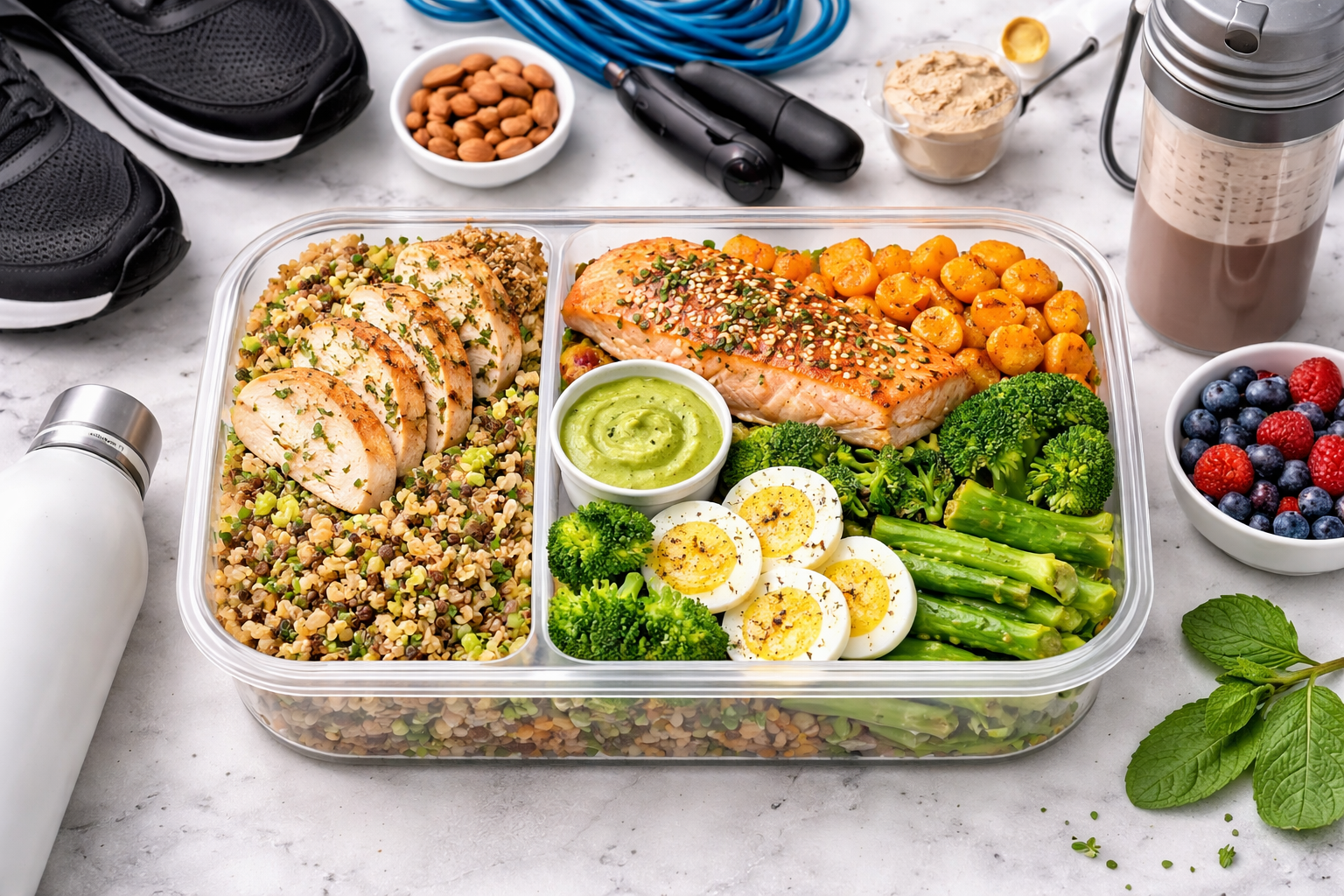
Dinner – Baked salmon with sweet potato & broccoli
Snack – Greek yogurt + berries
Recovery Focus – Protein + omega-3s
Day 2
Breakfast – Overnight oats with chia, walnuts & blueberries
Lunch – Lentil & vegetable soup
Dinner – Roast beef with brown rice & green beans
Snack – Apple + almonds
Recovery Focus – Iron + glycogen replenishment
Day 3
Breakfast – Smoothie (banana, kale, protein powder, flaxseed)
Lunch – Chickpea salad with olive oil & tomato
Dinner – Grilled cod with barley & zucchini
Snack – Cottage cheese + pineapple
Recovery Focus – B vitamins + lean protein
Day 4
Breakfast – Vegetable omelet with mushrooms & peppers
Lunch – Turkey wrap with hummus & cucumber
Dinner – Chicken stir-fry with bok choy & carrots
Snack – Pear + walnuts
Recovery Focus – Satiety + magnesium
Day 5
Breakfast – Yogurt with oats, raspberries & pumpkin seeds
Lunch – Quinoa bowl with beans & roasted carrots
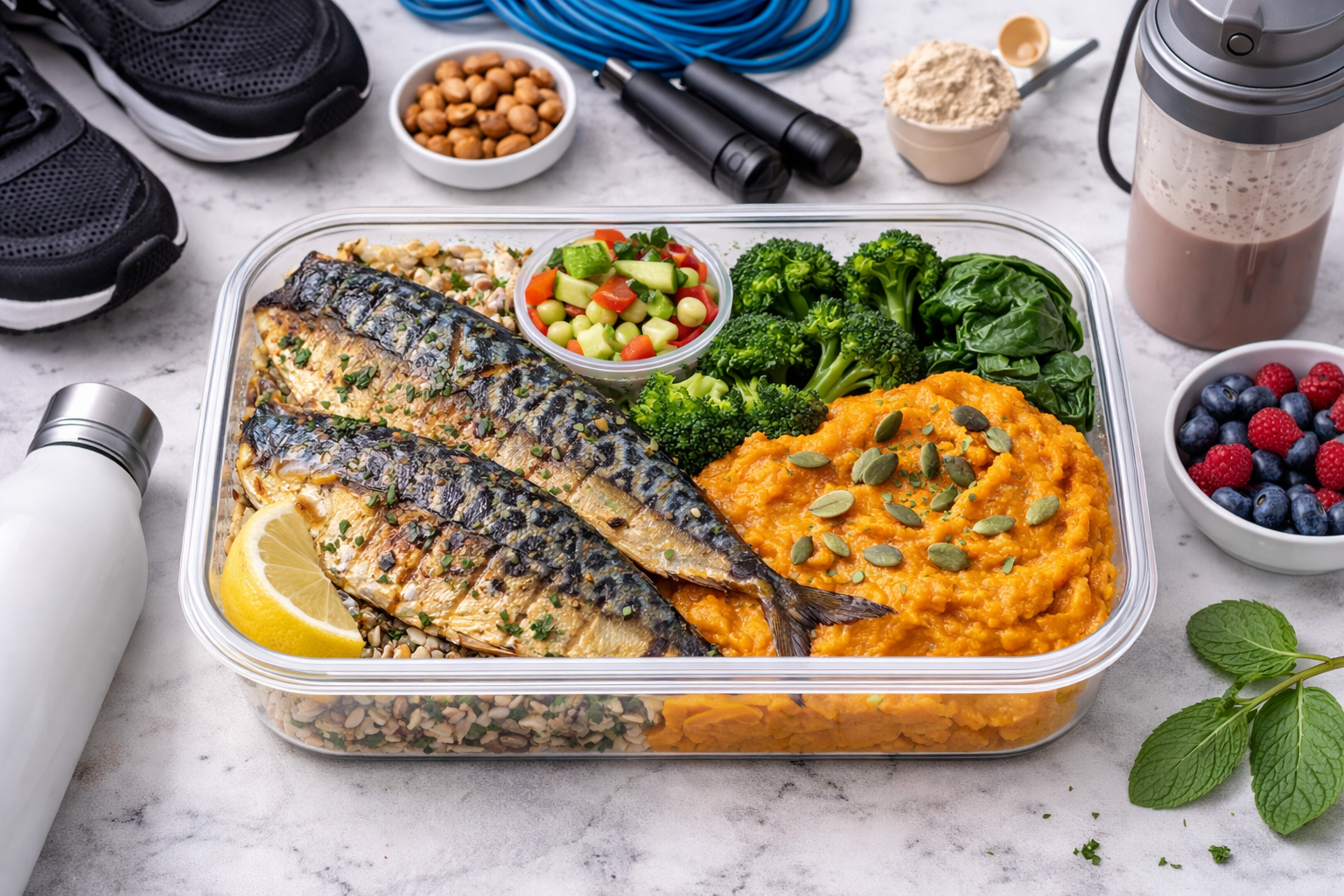
Dinner – Grilled mackerel with pumpkin mash
Snack – Rice cakes + peanut butter
Recovery Focus – Omega-3s + complex carbs
Day 6
Breakfast – Rice porridge with sesame seeds & papaya
Lunch – Tuna salad with cucumber & olive oil
Dinner – Roast chicken with cauliflower mash
Snack – Kiwi + sunflower seeds
Recovery Focus – Protein + antioxidants
Day 7
Breakfast – Cottage cheese with peaches & sunflower seeds
Lunch – Mediterranean lentil soup with whole-grain pita
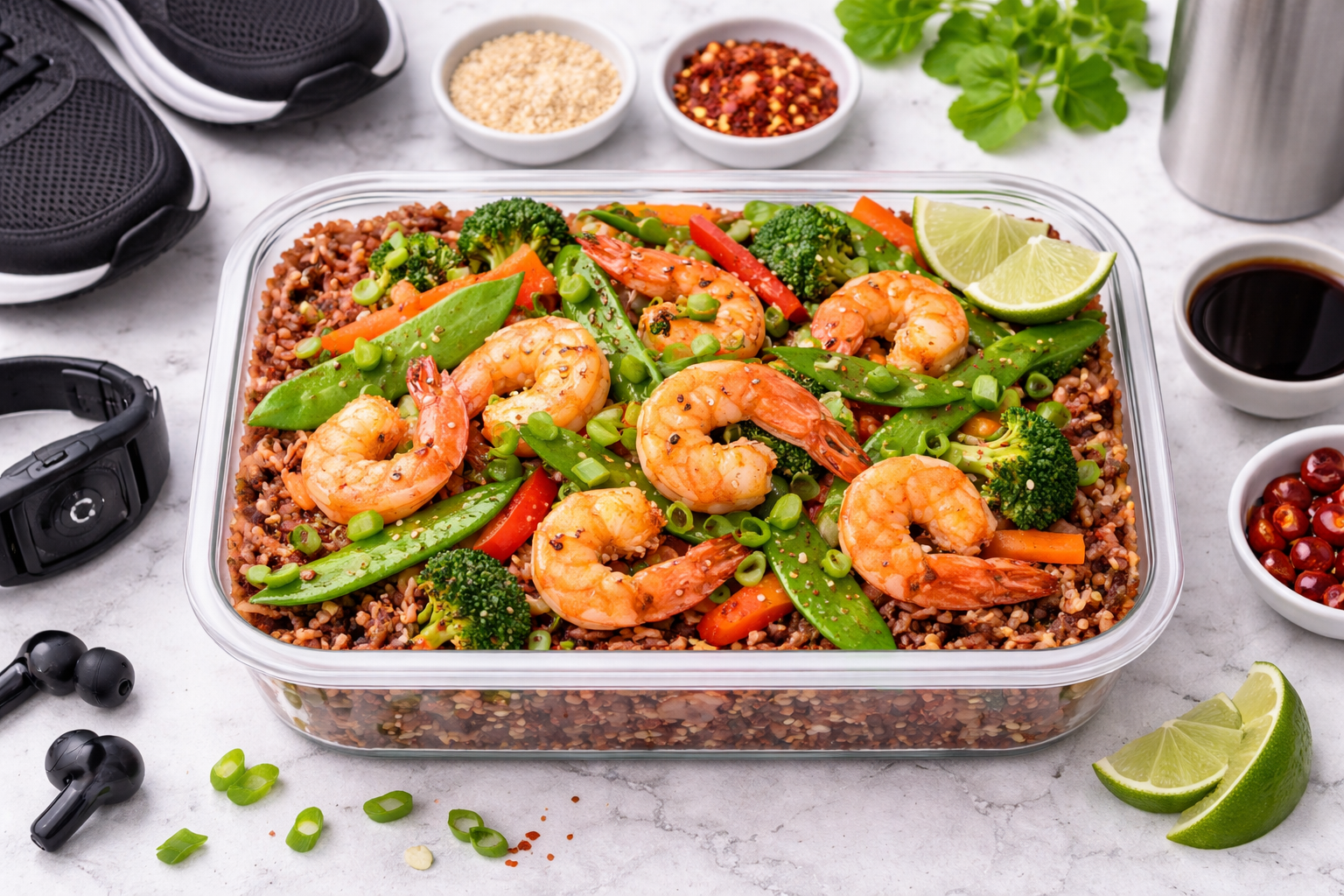
Dinner – Shrimp stir-fry with garlic, snow peas & red rice
Snack – Banana + pistachios
Recovery Focus – Lean protein + recovery
How Recovery Meal Planning Supports Hybrid Athletes
Hybrid athletes juggle strength, endurance, and real-life demands. Recovery meal planning supports that balance by:
- Reducing cumulative fatigue
- Supporting muscle repair between sessions
- Maintaining stable energy levels
- Preventing under-fueling
- Making recovery predictable and repeatable
Recovery meal planning allows training intensity without chronic exhaustion. It can work side by side with the mental performance meal planning as well.
Practical Everyday Tips for Recovery
To make recovery meal planning work in real life:
- Pair protein with carbs after workouts (yogurt + fruit, chicken + rice)
- Hydrate consistently, not just during training
- Rotate protein sources for amino acid diversity
- Keep recovery snacks portable and simple
- Batch cook grains and legumes for easy assembly
These habits make recovery meal planning sustainable—not overwhelming.
Disclaimer
This content is for educational purposes only and does not provide medical or sports-specific advice. Individuals with medical conditions or advanced athletic goals should consult a qualified healthcare professional or registered dietitian for personalized guidance.
to receive weekly meal inspirations, kitchen hacks, and buying guides for healthy living
Practical Takeaway
Recovery meal planning for hybrid performance means fueling workouts, repairing muscles, and sustaining energy across strength, endurance, and daily life. By focusing on protein timing, complex carbohydrates, healthy fats, antioxidants, and consistent meal structure, recovery meal planning helps active individuals train harder, recover faster, and perform better—week after week.