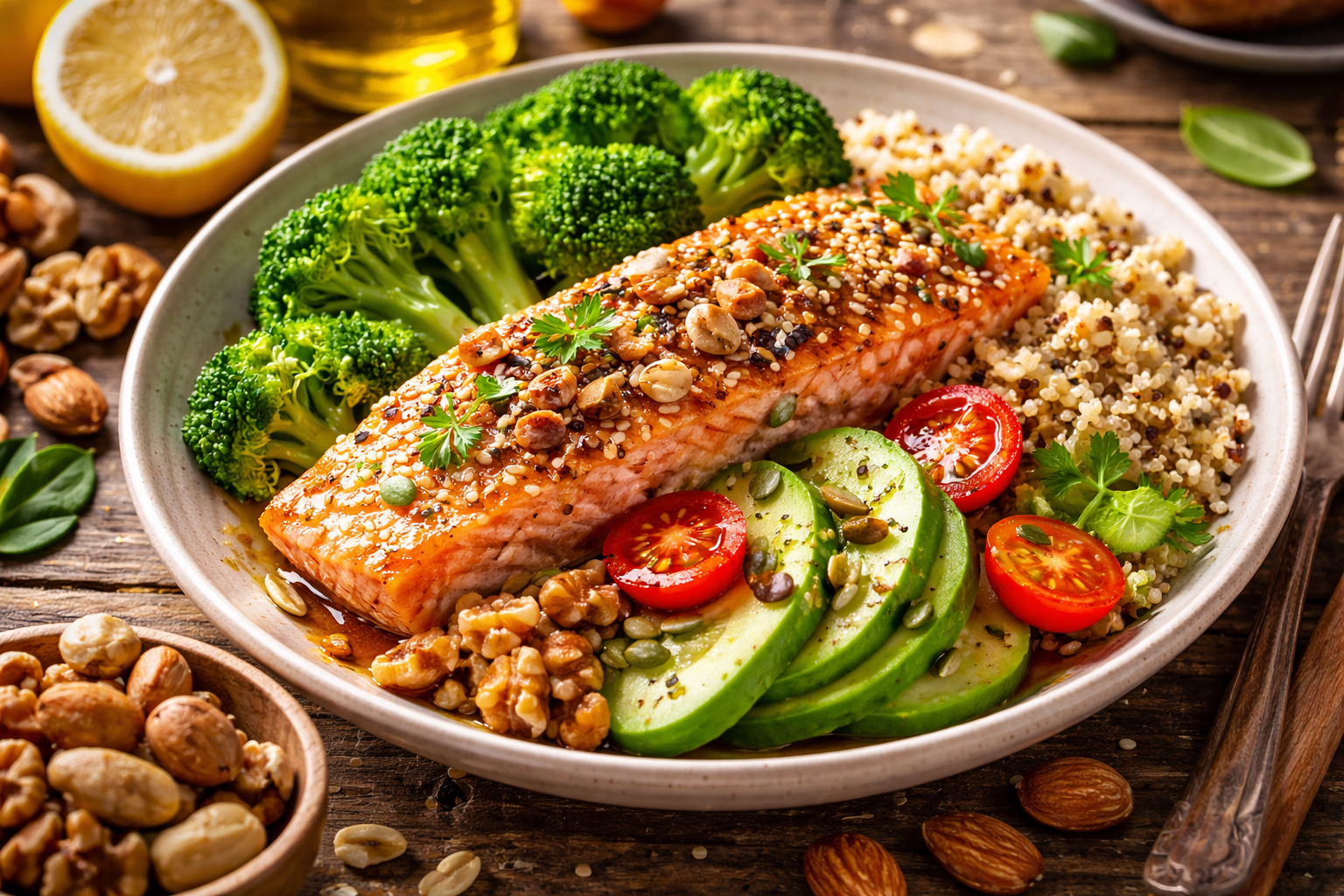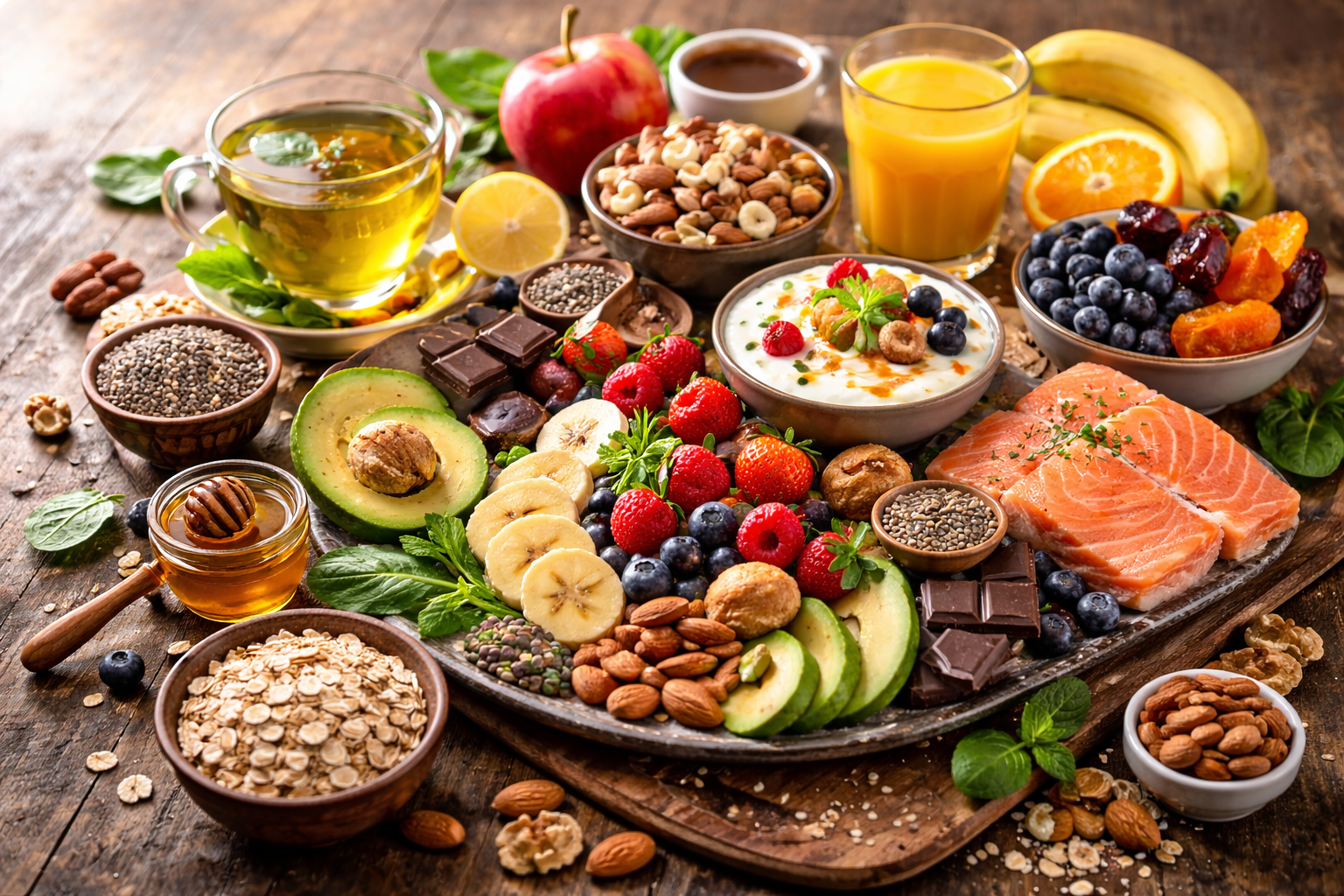
Mental Performance Meal Planning: A Smart Guide to Boost Focus and Energy
Mental Performance Meal Planning: A Smart Guide to Boost Focus and Energy
Weekly meal planning designed to fuel focus, protect brain health, and sustain mental energy throughout the day.
Why Nutrition Matters for Mental Performance
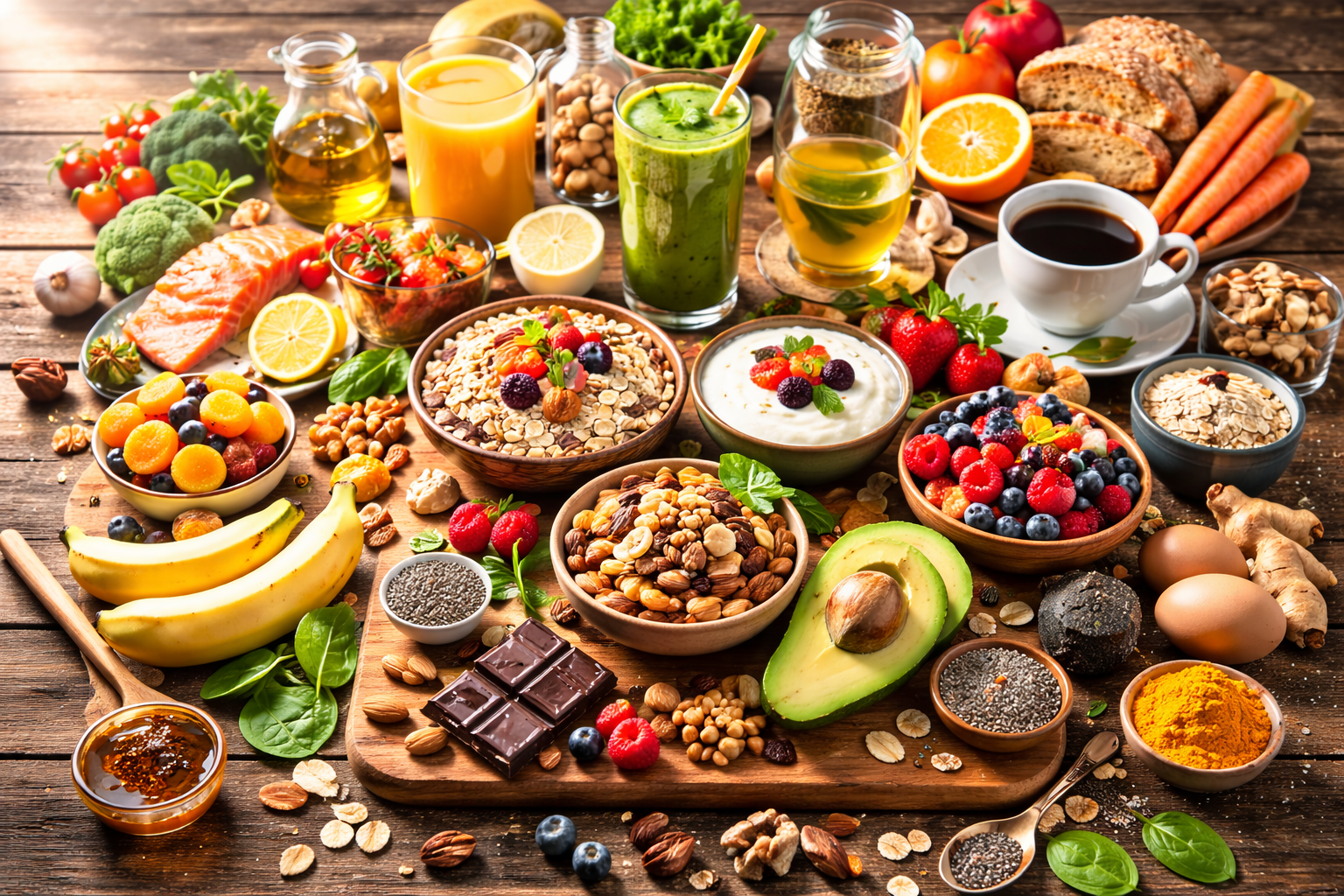
Mental performance is deeply connected to what and how we eat. The brain is one of the most energy-demanding organs in the body, relying on a steady supply of glucose, essential fats, and micronutrients to function well. Mental performance meal planning helps create consistency in that fuel supply, reducing energy crashes, brain fog, and lapses in concentration.
Without structure, meals often become rushed or unbalanced—leading to spikes and dips in blood sugar that affect focus and mood. Mental performance meal planning shifts nutrition from reactive to intentional, supporting clarity, memory, and sustained energy.


How Mental Performance Meal Planning Supports the Brain
Mental performance meal planning supports cognitive function in several key ways:
- Steady brain fuel: Complex carbohydrates paired with protein provide consistent glucose for concentration
- Neurotransmitter production: Protein supplies amino acids needed for dopamine and serotonin
- Brain cell protection: Omega-3 fats help maintain brain structure and communication
- Energy metabolism: B vitamins, iron, magnesium, and zinc support mental stamina
- Oxidative stress reduction: Antioxidants protect brain tissue from daily stressors
- Hydration support: Adequate fluids improve attention, memory, and reaction time
Over time, mental performance meal planning helps the brain work with more stability and less strain, which greatly aligns with the goals of the health and healing meal plans.
Core Principles of Mental Performance Meal Planning
Effective mental performance meal planning is built on a few consistent habits:
- Protein at every meal to support neurotransmitter production
- Complex carbohydrates from whole grains, legumes, and vegetables for steady energy
- Omega-3 fats from fatty fish, flaxseed, and walnuts
- Antioxidant diversity through berries, leafy greens, and colorful vegetables
- Regular meal timing every 3–4 hours to avoid energy dips
- Adequate hydration throughout the day
These principles keep mental performance meal planning realistic and repeatable.
Sample Weekly Meal Plan (Focus & Energy)
This example shows how mental performance meal planning can be applied across a full week without complexity.
Day
Day 1
Breakfast – Oatmeal with chia, walnuts, and blueberries
Lunch – Grilled salmon with quinoa & spinach
Dinner – Chicken stir-fry with broccoli & carrots
Snack – Greek yogurt
Brain Boost – Omega-3s + antioxidants
Day 2
Breakfast – Scrambled eggs with avocado & whole-grain toast
Lunch – Lentil & vegetable soup
Dinner – Roast beef with brown rice & green beans
Snack – Apple + almonds
Brain Boost – Iron + steady glucose
Day 3
Breakfast – Smoothie (banana, kale, protein powder, flaxseed)
Lunch – Chickpea salad with olive oil & tomato
Dinner – Baked cod with barley & zucchini
Snack – Cottage cheese with pineapple
Brain Boost – B vitamins + lean protein
Day 4
Breakfast – Yogurt with oats, raspberries, and pumpkin seeds
Lunch – Turkey wrap with hummus & cucumber
Dinner – Grilled mackerel with sweet potato & spinach
Snack – Pear + walnuts
Brain Boost – Omega-3s + satiety
Day 5
Breakfast – Vegetable omelet with mushrooms & peppers
Lunch – Quinoa bowl with beans & roasted carrots
Dinner – Shrimp stir-fry with rice noodles & bok choy
Snack – Orange + cashews
Brain Boost – Magnesium + antioxidants
Day 6
Breakfast – Rice porridge with sesame seeds & papaya
Lunch – Tuna salad with cucumber & olive oil
Dinner – Roast chicken with cauliflower mash
Snack – Kiwi + sunflower seeds
Brain Boost – Protein + micronutrients
Day 7
Breakfast – Cottage cheese with pineapple & oats
Lunch – Black bean burrito bowl
Dinner – Lean beef stew with lentils & kale
Snack – Banana + pistachios
Brain Boost – Iron + fiber + healthy fats
Why Weekly Structure Improves Focus and Energy
Mental performance meal planning works best when meals are planned weekly instead of day by day. This structure:
- Reduces decision fatigue
- Keeps nutrients evenly distributed
- Prevents skipped meals and energy crashes
- Supports consistent hydration and snack timing
When food decisions are already made, mental energy can be directed toward work, learning, and creativity instead of constant food choices.
Practical Ways to Maintain Mental Performance Meal Planning
To keep mental performance meal planning sustainable:
- Batch cook proteins and grains for quick assembly
- Keep brain-supportive snacks visible and ready
- Rotate colorful fruits and vegetables for variety
- Drink water with every meal and snack
- Adjust portions based on activity and workload
Flexibility is key—mental performance meal planning should support your schedule, not add pressure.
Disclaimer
This content is for educational purposes only and does not provide medical or clinical advice. Individuals with neurological, metabolic, or medical conditions should consult a qualified healthcare professional or registered dietitian for personalized guidance.
to receive weekly meal inspirations, kitchen hacks, and buying guides for healthy living
Practical Takeaway
Mental performance meal planning is about fueling the brain consistently with the nutrients it needs to stay sharp, focused, and energized. By using weekly structure, balanced meals, and intentional food choices, mental performance meal planning helps support concentration today while protecting cognitive health long term.
Clear thinking starts with steady nourishment—one planned week at a time.