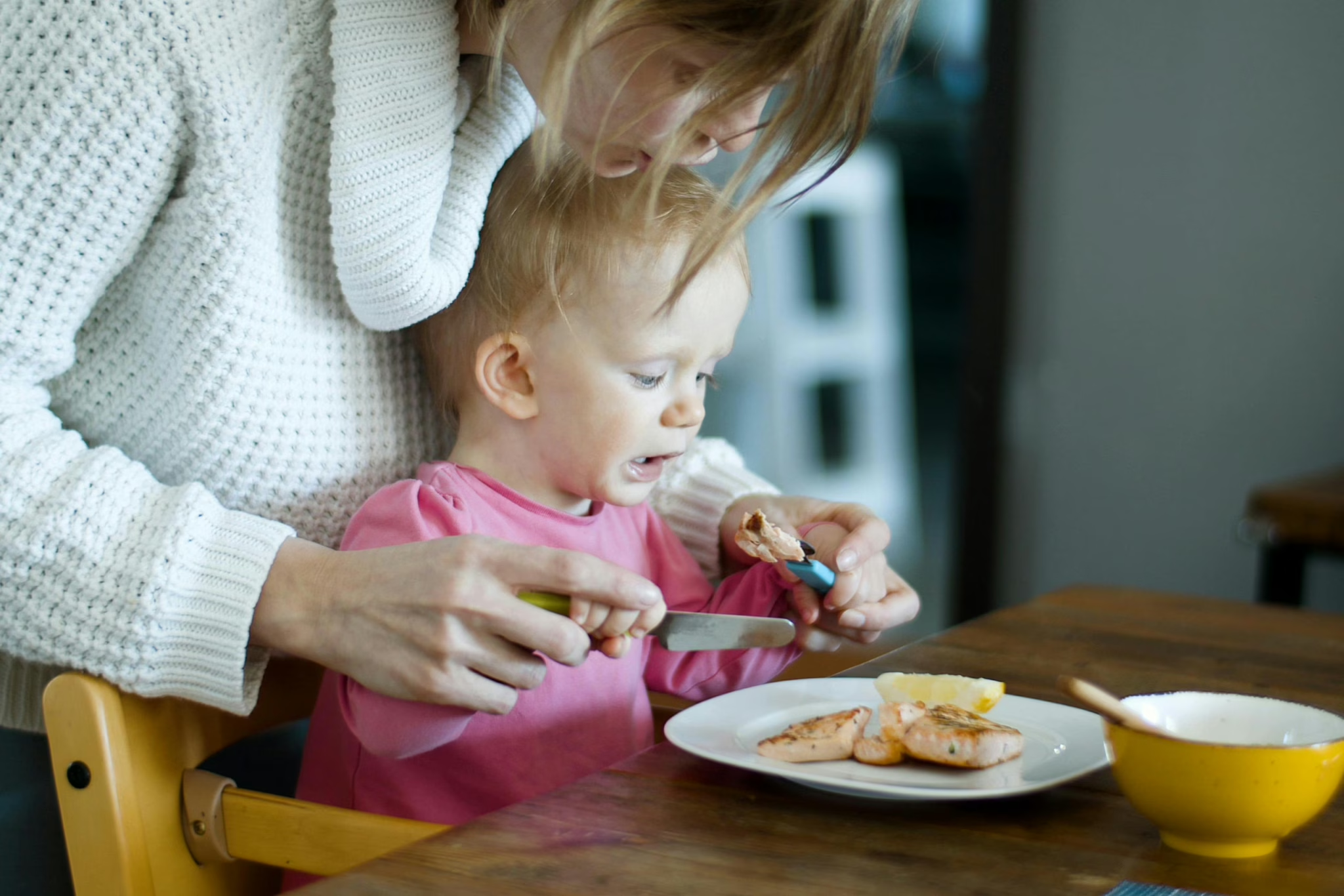
Meal Planning Basics for Infants in Their First Year
Meal Planning Basics for Infants in Their First Year
Gentle infant meal planning that supports growth, safety, and calm routines in the first year.
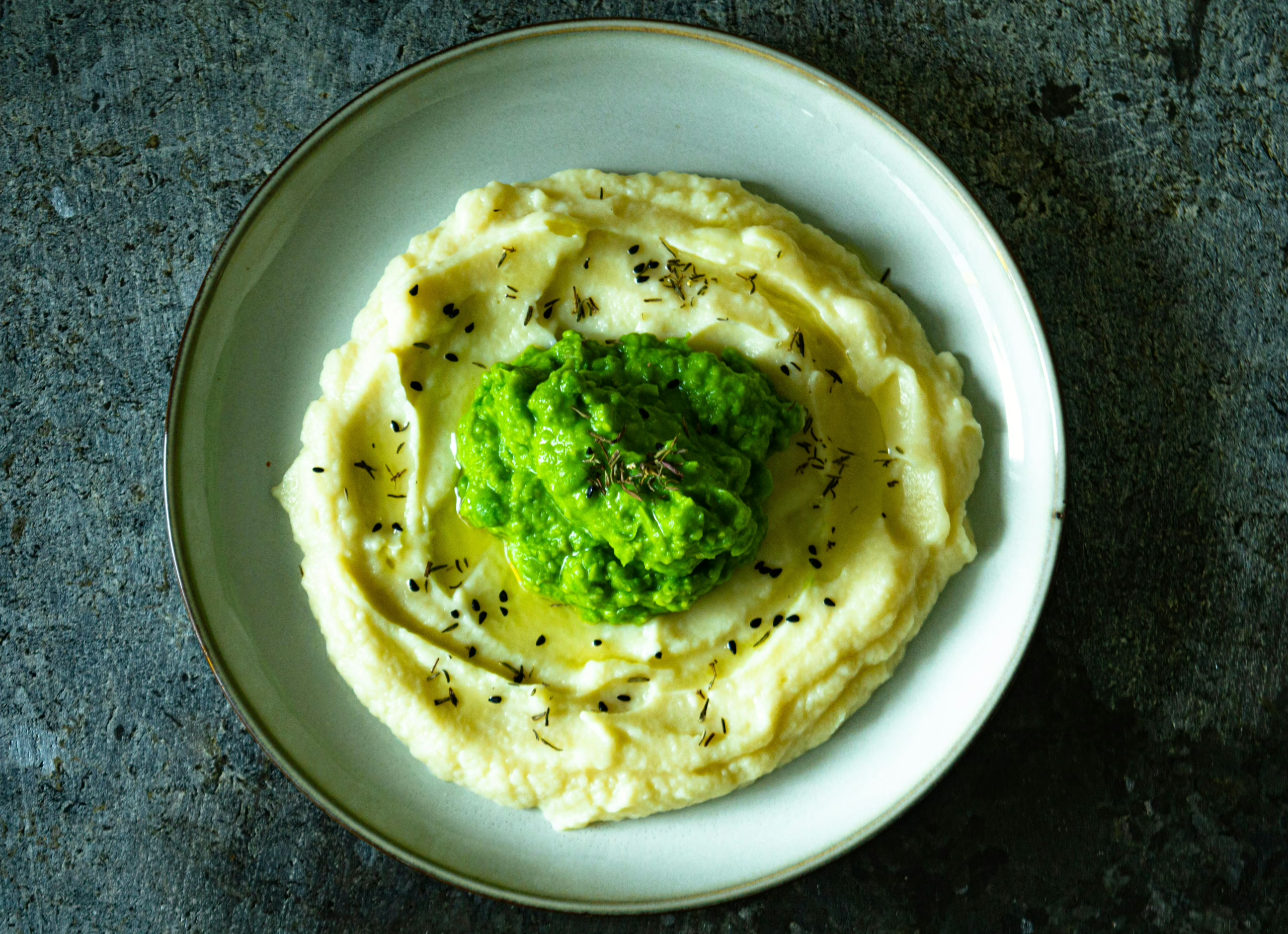
Building Nourishment From the Very Beginning
The first year of life is a time of rapid growth, discovery, and change—for both babies and parents. Feeding often brings excitement alongside uncertainty. Infant meal planning offers a calm, structured way to support your baby’s nutrition while easing the daily stress of decision-making.
At 7Meals7Days, infant meal planning focuses on safety, progression, and confidence. Rather than rushing milestones, it helps families move through feeding stages with patience and clarity.


Why Infant Meal Planning Matters
During the first year, babies rely on consistent, age-appropriate nutrition to support development. Infant meal planning helps parents prepare for each stage while ensuring feeding remains safe and supportive.
Thoughtful infant meal planning can:
• Support growth of bones, muscles, and brain development
• Introduce healthy food habits early through variety and routine
• Reduce parental stress by planning meals in advance
• Help prevent nutrient gaps, especially for iron, vitamin D, and healthy fats
Infant meal planning isn’t about control—it’s about readiness.
A Gentle Philosophy for Infant Meal Planning
Infant meal planning must always prioritize safety.
• Avoid choking hazards and sticky foods
• Introduce allergens gradually and safely
• Limit salt and sugar to protect developing kidneys
• Breast milk or formula remains the primary fluid until 12 months
Parents should always consult a pediatrician or qualified healthcare provider when questions arise.
Core Stages That Guide Infant Meal Planning
Infant meal planning changes throughout the first year. Each stage brings new textures, skills, and needs.
0–6 Months: Milk as the Foundation
• Exclusive breastfeeding or iron-fortified formula
• No solid foods yet
• Breast milk or formula provides hydration and nutrition
Around 6 Months: Beginning Complementary Feeding
• Introduction of pureed vegetables, fruits, and iron-rich foods
• One new food at a time
6–8 Months: Building Variety
• Mashed foods and soft textures
• Single-grain cereals and pureed meats
8–10 Months: Exploring Finger Foods
• Soft fruits and cooked vegetables
• Small, manageable pieces for self-feeding
10–12 Months: Transitioning Toward Family Foods
• Modified family meals in safe portions
• Encouraging independence and shared mealtimes
Avoid: honey, choking hazards (nuts, whole grapes), added salt, and added sugar.
A Sample Week of Infant Meal Planning (6–12 Months)
This example shows how infant meal planning may look for babies aged 6–12 months. It is meant to inspire—not prescribe.
Day 1
Breakfast: Iron-fortified rice cereal
Lunch: Mashed sweet potato
Snack: Soft banana slices
Dinner: Pureed chicken with carrots
Day 2
Breakfast: Smooth oatmeal
Lunch: Pureed peas
Snack: Avocado cubes
Dinner: Mashed salmon with rice
Day 3
Breakfast: Mashed pumpkin
Lunch: Lentil puree
Snack: Soft pear pieces
Dinner: Soft scrambled egg
Day 4
Breakfast: Rice porridge
Lunch: Mashed zucchini
Snack: Plain yogurt
Dinner: Ground turkey with potato
Day 5
Breakfast: Pureed apple
Lunch: Chickpea mash
Snack: Soft cheese cubes
Dinner: White fish with carrots
Day 6
Breakfast: Oat cereal
Lunch: Mashed spinach
Snack: Soft kiwi pieces
Dinner: Beef puree with rice
Day 7
Breakfast: Mashed banana
Lunch: Pureed butternut squash
Snack: Soft peach slices
Dinner: Chicken with quinoa
Everyday Tips That Support Infant Meal Planning
Small practices make infant meal planning easier and safer:
• Introduce one new food at a time
• Progress textures gradually
• Prioritize iron-rich foods once solids begin
• Encourage self-feeding when developmentally ready
• Expect repeated exposure—acceptance takes time
Infant meal planning works best when guided by patience.
Important Risks & Considerations
Infant meal planning must always prioritize safety.
• Avoid choking hazards and sticky foods
• Introduce allergens gradually and safely
• Limit salt and sugar to protect developing kidneys
• Breast milk or formula remains the primary fluid until 12 months
Parents should always consult a pediatrician or qualified healthcare provider when questions arise.
to receive weekly meal inspirations, kitchen hacks, and buying guides for healthy living
A Calm Start to Lifelong Nourishment
The first year lays the foundation for future food relationships. Infant meal planning helps parents move through this stage with confidence—supporting growth, exploration, and trust at the table.
By focusing on age-appropriate progression, safe textures, and gentle routines, infant meal planning becomes a tool for care rather than pressure—one meal, one skill, and one calm week at a time.