Making Weekly Meal Planning Easier for Seniors and Caregivers
Making Weekly Meal Planning Easier for Seniors and Caregivers
Gentle, nourishing weekly routines that support independence, dignity, and peace of mind.
When Nutrition Needs Change With Age
As people move into their senior years, food begins to serve a different purpose. Appetite may decline, digestion can slow, and managing chronic conditions becomes part of daily life. At the same time, nutrient needs often increase. This is where senior meal planning becomes especially valuable.
Rather than focusing on complicated recipes or strict food rules, senior meal planning emphasizes simplicity, nourishment, and consistency—making meals easier to manage for older adults and the caregivers who support them.


Why Weekly Meal Planning Matters in Senior Years
For seniors and caregivers alike, planning meals ahead offers practical and emotional benefits.
Senior meal planning helps to:
• Support independence by reducing daily food decisions
• Prevent malnutrition when appetite or energy is lower
• Support blood pressure, blood sugar, and cholesterol management
• Reduce caregiver stress through predictable routines
• Ensure meals are safe, balanced, and easy to prepare
With a weekly structure in place, meals become a source of comfort instead of concern.
Core Principles of Senior Meal Planning
• Cook in batches: Freeze single portions for easy reheating
• Use fortified foods: Cereals and milks often provide added calcium and vitamin D
• Adapt textures: Mash or puree foods as needed
• Plan snacks: Nutrient-rich snacks help prevent under-eating
• Use caregiver shortcuts: Slow cookers, pre-chopped vegetables, and simple recipes save time
These strategies help senior meal planning remain realistic and sustainable.
Sample Weekly Meal Plan (Senior-Friendly)
Day 1
Breakfast: Oatmeal with ground flaxseed & soft banana
Lunch: Baked salmon with mashed sweet potato & spinach
Snack: Fortified yogurt
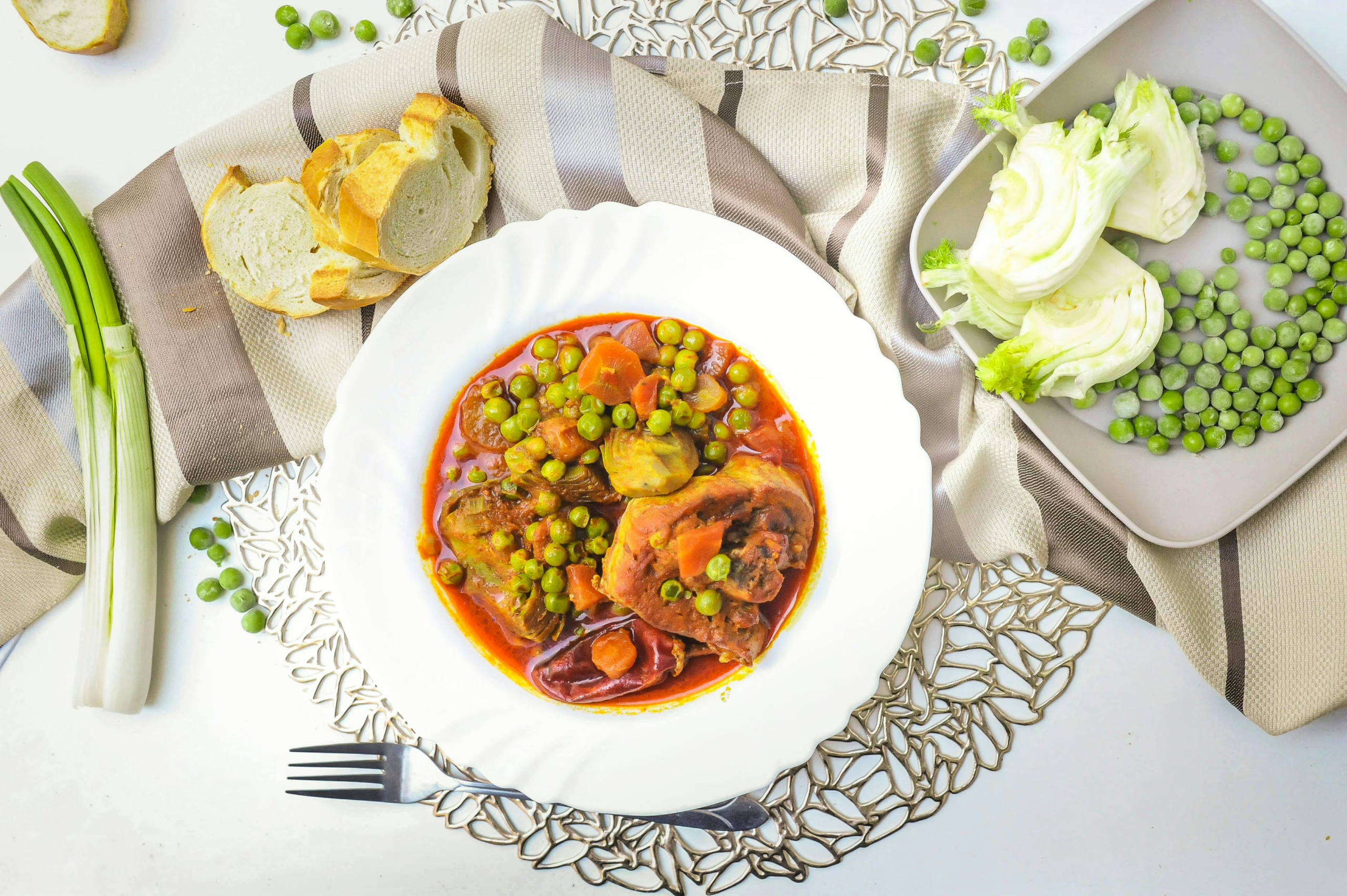
Dinner: Chicken stew with carrots & peas
Day 2
Breakfast: Scrambled eggs with soft whole-grain toast
Lunch: Lentil soup with soft bread
Snack: Stewed apple
Dinner: Baked cod with pumpkin mash
Day 3
Breakfast: Rice porridge with blueberries
Lunch: Turkey & avocado sandwich (soft bread)
Snack: Cottage cheese with peaches
Dinner: Beef & vegetable casserole
Day 4
Breakfast: Smoothie (milk, banana, protein powder)
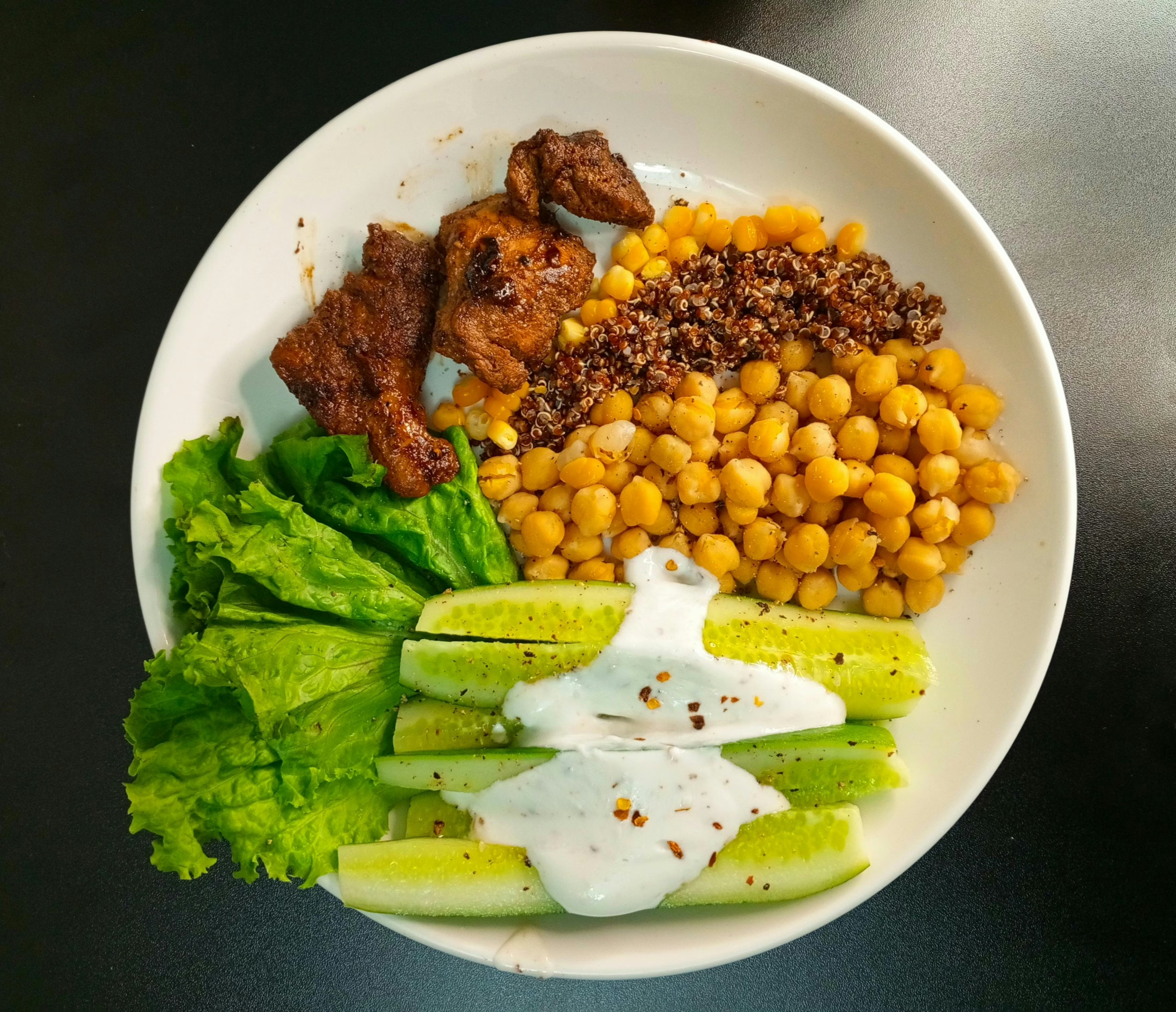
Lunch: Chickpea & vegetable mash
Snack: Soft pear slices
Dinner: Grilled mackerel with zucchini
Day 5
Breakfast: Fortified cereal with milk
Lunch: Quinoa with beans & roasted carrots (soft)
Snack: Rice pudding
Dinner: Roast chicken with cauliflower mash
Day 6
Breakfast: Vegetable omelet
Lunch: Tuna salad (soft)
Snack: Kiwi (soft)
Dinner: Salmon with mashed potato & green beans
Day 7
Breakfast: Yogurt with oats & stewed fruit
Lunch: Shrimp with soft rice noodles
Snack: Banana slices
Dinner: Lean beef stew with lentils
Practical Tips for Seniors and Caregivers
• Cook in batches: Freeze single portions for easy reheating
• Use fortified foods: Cereals and milks often provide added calcium and vitamin D
• Adapt textures: Mash or puree foods as needed
• Plan snacks: Nutrient-rich snacks help prevent under-eating
• Use caregiver shortcuts: Slow cookers, pre-chopped vegetables, and simple recipes save time
Risks & Considerations
• Reduced appetite may require nutrient-dense meals
• Chewing or swallowing challenges may need texture adjustments
• Medication–food interactions should be reviewed with professionals
• Individual health needs vary and should guide planning
Senior meal planning is designed to support daily life, not replace medical care.
to receive weekly meal inspirations, kitchen hacks, and buying guides for healthy living
A Steadier Way to Nourish the Senior Years
Senior years deserve nourishment that feels manageable and respectful. Senior meal planning provides a steady rhythm—supporting health, independence, and confidence for older adults while easing the load for caregivers.
Through gentle structure, thoughtful preparation, and flexible weekly routines, senior meal planning becomes quiet support—one week, one meal, and one caring choice at a time.