How to Build Weekly Meal Plans Inspired by Levantine Cuisine
How to Build Weekly Meal Plans Inspired by Levantine Cuisine
Levantine meal planning that blends culture, balance, and everyday nourishment.

Why Levantine Cuisine Works for Weekly Meal Planning
Levantine cuisine is naturally suited to Levantine meal planning because it emphasizes balance rather than restriction. Rooted in the food traditions of Lebanon, Syria, Jordan, and Palestine, this cuisine combines vegetables, legumes, grains, olive oil, and herbs in a way that supports both flavor and nourishment.
Levantine meal planning works well because it offers:
- Built-in balance of plant foods, proteins, and healthy fats
- Flexible mezze dishes that mix and match easily
- Deep cultural traditions tied to shared meals
- Recipes that scale well for batch cooking
Instead of rigid meal rules, Levantine meal planning encourages variety and rhythm across the week.

The Mezze Advantage in Levantine Meal Planning
A defining feature of Levantine cuisine is mezze—small plates designed to be shared. In Levantine meal planning, mezze makes weekly structure easier.
Mezze allows you to:
- Combine leftovers creatively
- Adjust portion sizes naturally
- Keep meals interesting without extra cooking
- Build meals from prepared components
This approach makes Levantine meal planning ideal for busy households that still value tradition and flavor.
Core Staples for Levantine Meal Planning
A successful Levantine meal planning routine starts with a well-stocked kitchen.
Grains & Legumes
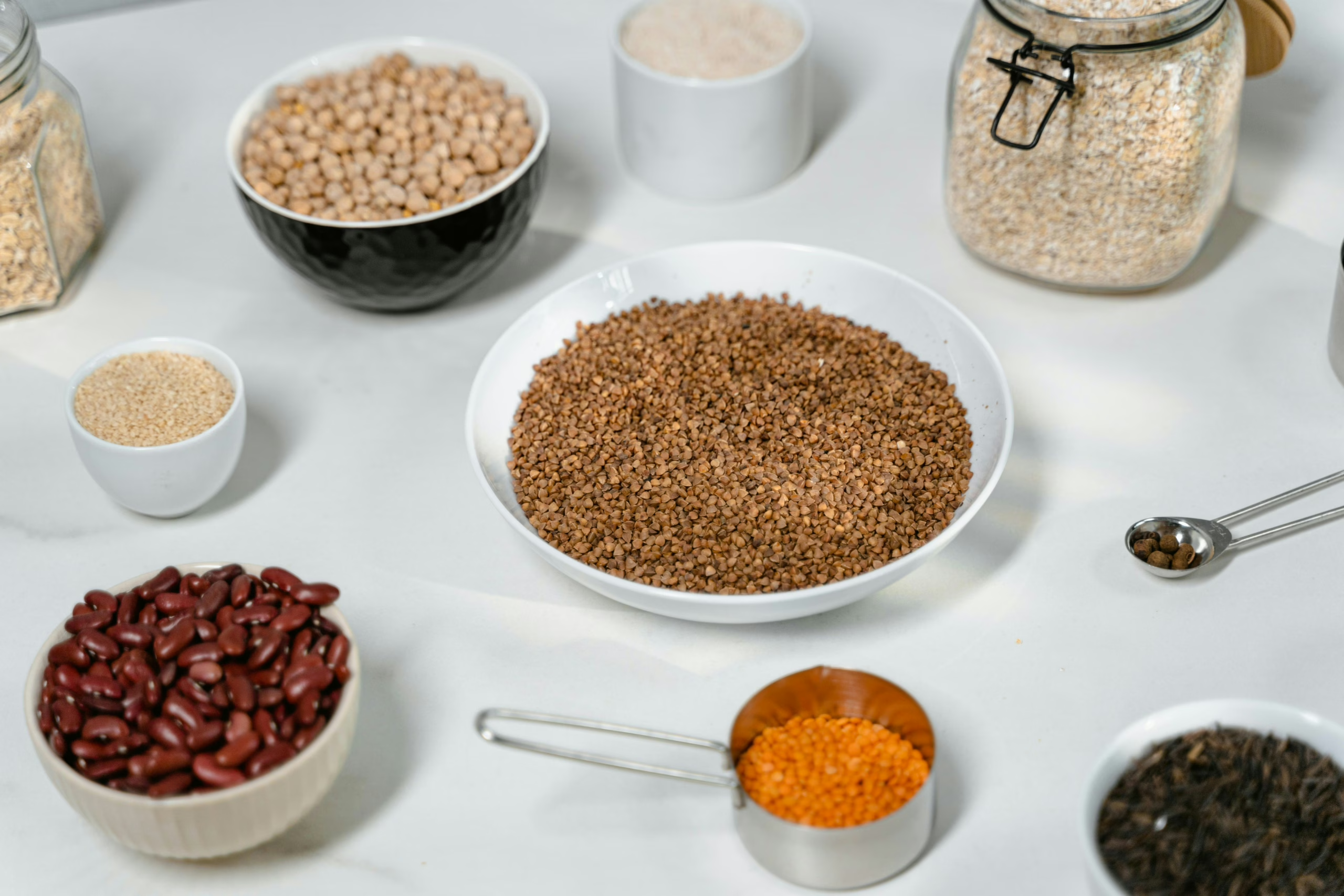
Bulgur, lentils, chickpeas, couscous, rice
Vegetables & Herbs
Eggplant, tomatoes, cucumbers, parsley, mint
Proteins
Chicken, lamb, fish, falafel, legumes
Healthy Fats
Olive oil, tahini, nuts, seeds
Fermented Dairy
Labneh, yogurt, kefir
Flavor Enhancers
Za’atar, sumac, garlic, lemon
These staples make Levantine meal planning efficient, adaptable, and deeply flavorful.
Visual Inspiration: Levantine Kitchen & Table
Sample Weekly Levantine Meal Plan
Day 1
Breakfast: Labneh with olive oil & pita
Lunch: Tabbouleh with bulgur & parsley
Snack: Dates + walnuts
Dinner: Grilled chicken shawarma with rice & garlic sauce
Focus: Fresh herbs + lean protein
Day 2
Breakfast: Manakish (za’atar flatbread)
Lunch: Mujadara (lentils & rice with onions)
Snack: Cucumber + hummus
Dinner: Baked fish with tahini & roasted vegetables
Focus: Fiber + omega-3s
Day 3
Breakfast: Yogurt with honey & pistachios
Lunch: Falafel wrap with tahini & tomato
Snack: Apple + almonds
Dinner: Maqluba with chicken & eggplant
Focus: Balanced carbs + protein
Day 4
Breakfast: Whole-grain pita with hummus
Lunch: Fattoush salad with sumac dressing
Snack: Carrot sticks + baba ganoush
Dinner: Lamb kebabs with bulgur pilaf
Focus: Antioxidants + satiety
Day 5
Breakfast: Smoothie with dates & banana
Lunch: Lentil soup with lemon
Snack: Orange + cashews
Dinner: Musakhan (sumac chicken & flatbread)
Focus: Anti-inflammatory spices
Day 6
Breakfast: Cottage cheese with figs
Lunch: Chickpea stew with tomato & parsley
Snack: Pear + sunflower seeds
Dinner: Grilled salmon with couscous & peppers
Focus: Omega-3s + fiber
Day 7
Breakfast: Pita with scrambled eggs & tomato
Lunch: Quinoa tabbouleh with mint
Snack: Kiwi + walnuts
Dinner: Kofta with roasted vegetables
Focus: Protein + micronutrients
This table shows how Levantine meal planning balances grains, vegetables, proteins, and herbs throughout the week.
Practical Tips for Levantine Meal Planning at Home
- Batch cook hummus, lentils, and grains for quick assembly
- Rotate proteins (chicken, lamb, fish, legumes) weekly
- Use mezze-style meals for flexibility on busy days
- Keep herbs fresh—they drive both flavor and nutrition
- Balance portions by pairing grains with vegetables and protein
These habits keep Levantine meal planning sustainable and enjoyable.
Practical Takeaway
Levantine meal planning offers a culturally rich, nutrient-dense approach to weekly eating. By combining mezze staples, fresh herbs, balanced proteins, and olive-oil-based cooking, it creates meals that are flexible, deeply flavorful, and easy to adapt for modern life. This style of planning honors tradition while supporting everyday nourishment—one week at a time.
to receive weekly meal inspirations, kitchen hacks, and buying guides for healthy living
Disclaimer
This article is for informational purposes only and does not provide medical or dietary advice. Cultural meal patterns may be adapted based on individual needs, preferences, or health conditions. Always consult a qualified professional for personalized guidance.