Crohn’s Meal Planning: How Weekly Meals Can Support Daily Life
Crohn’s Meal Planning: A Gentle Weekly Approach for Everyday Life
Tagline: Crohn’s meal planning designed to support routine, nourishment, and calmer food decisions.

When Meals Feel Tied to Symptoms
Living with Crohn’s disease often means paying close attention to how food affects the body. Meals can bring uncertainty—what feels fine one week may feel different the next. Over time, this unpredictability can make eating feel stressful and exhausting.
Crohn’s meal planning offers a steadier way to approach food. At 7Meals7Days, Crohn’s meal planning is about creating weekly structure that helps reduce guesswork, support nourishment, and bring a sense of calm to everyday meals.


What Crohn’s Meal Planning Means at 7Meals7Days
At 7Meals7Days, Crohn’s meal planning is a crucial component of our health and healing meal plans. It focuses on organization, flexibility, and awareness, not medical treatment or rigid dietary rules.
Our approach emphasizes:
• Planning meals across the week
• Choosing gentler, familiar foods
• Supporting nutritional balance
• Adjusting meals as symptoms change
This IBD meal planning framework is designed for educational and planning support only.
Important note: 7Meals7Days is not a medical practitioner. Our Crohn’s meal planning content does not diagnose, treat, or
cure Crohn’s disease and should always be used alongside guidance from a healthcare professional.
Why Weekly Planning Can Feel More Supportive Than Daily Decisions
Daily food decisions can increase stress—especially when symptoms are unpredictable. Crohn’s meal planning moves those decisions into a calmer planning moment before the week begins.
With weekly planning:
• Trigger foods are easier to avoid
• Meals feel more predictable
• Nutrition is easier to balance
• Anxiety around eating may feel reduced
This is why Crohn’s meal planning at 7Meals7Days centers on weekly structure, not daily pressure.
🍲 A Gentle Weekly Meal Plan Framework for Crohn’s
Below is a sample 7-day framework designed to support Crohn’s meal planning through simple, gentle meals. Individual tolerance varies, so personalization is essential.
🗓️ 7-Day Crohn’s-Friendly Meal Plan
Day 1:
Breakfast: Scrambled eggs with rice
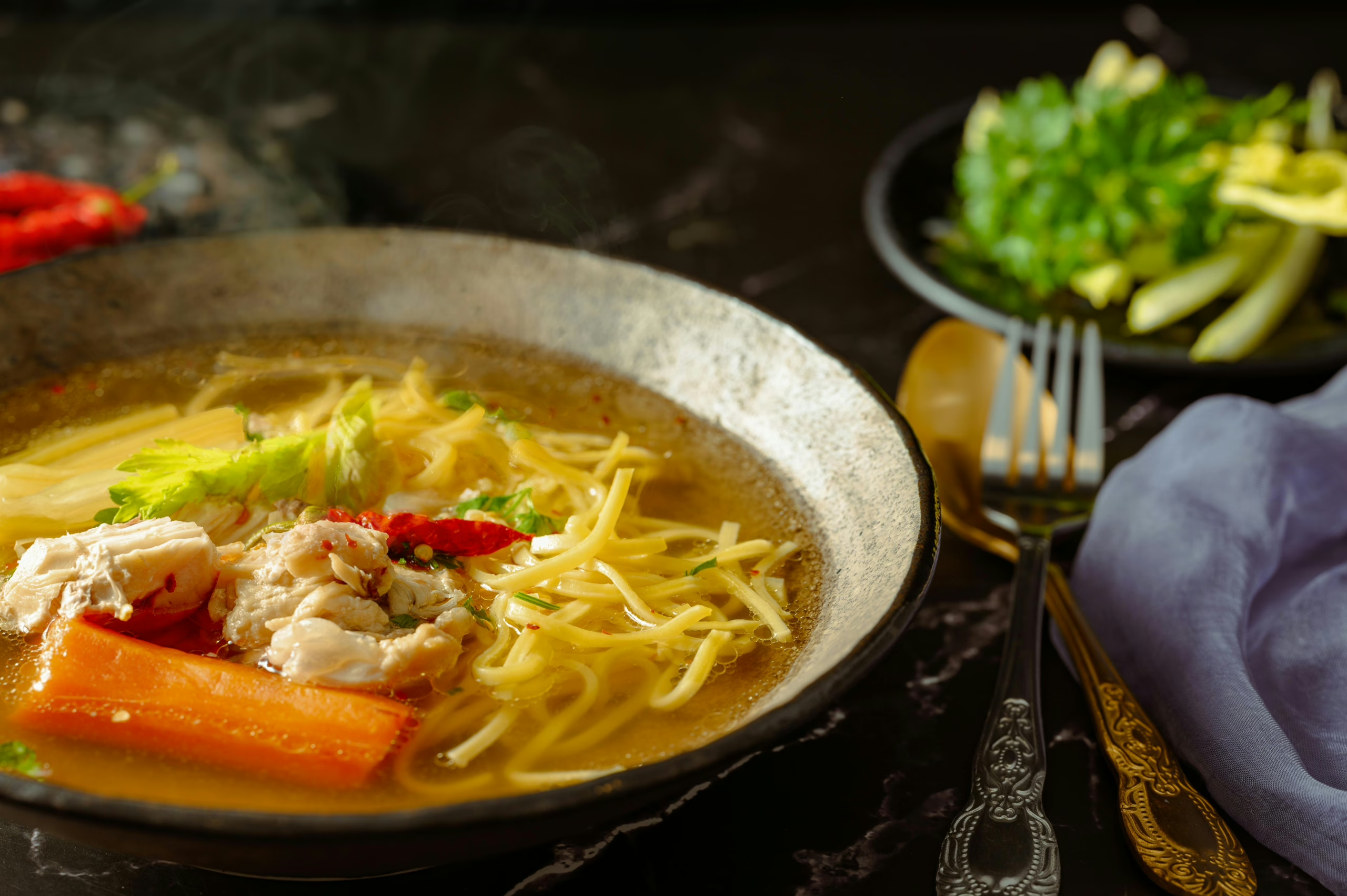
Lunch: Chicken soup with carrots
Snack: Lactose-free yogurt
Dinner: Baked salmon with mashed potato
Day 2:
Breakfast: Gluten-free oatmeal
Lunch: Turkey sandwich on sourdough
Snack: Banana
Dinner: Grilled cod with zucchini
Day 3:
Breakfast: Rice porridge
Lunch: Quinoa salad with chicken
Snack: Rice cakes, Dinner:
Roast chicken with pumpkin
Day 4:
Breakfast: Smoothie (lactose-free milk, strawberries)
Lunch: Tuna salad
Snack: Kiwi
Dinner: White fish with rice noodles
Day 5:
Breakfast: Omelet with spinach
Lunch: Chicken broth with rice,
Snack: Almonds
Dinner: Turkey meatballs with polenta
Day 6:
Breakfast: Rice cereal with lactose-free milk
Lunch: Shrimp with rice
Snack: Plain popcorn
Dinner: Baked salmon with carrots
Day 7:
Breakfast: Gluten-free toast with avocado
Lunch: Chicken lettuce wraps
Snack: Rice crackers
Dinner: Roast beef with mashed sweet potato
This structure supports Crohn’s meal planning by prioritizing gentle foods and repeatable routines.
Why Structure Helps During Fluctuating Symptoms
Crohn’s symptoms can change over time. Crohn’s meal planning is designed to adapt rather than stay fixed.
Weekly planning helps:
• Adjust meals during flare-prone periods
• Maintain nutrition when appetite is low
• Avoid last-minute food risks
• Create consistency during uncertainty
Structure offers flexibility—not restriction.
Practical Tips That Support Crohn’s Meal Planning
Alongside weekly structure, these habits often support Crohn’s meal planning:
• Keep a food diary: Track meals and symptoms to identify patterns
• Cook in batches: Safe meals ready ahead reduce risk
• Focus on gentler foods: Lean proteins, cooked vegetables, and simple grains
• Work with a dietitian: Ensures nutrition remains balanced
Planning works best when paired with self-awareness.
What Research Often Highlights
Current research often referenced in Crohn’s nutrition discussions aligns with the principles behind Crohn’s meal planning:
• Stanford Medicine study (2026): Observed that structured dietary approaches may support symptom management in mild-to-moderate Crohn’s disease when paired with medical care.
• American College of Gastroenterology (2025 guidelines): Emphasize individualized dietary strategies as part of comprehensive Crohn’s care.
• Oxford Academic reviews and the European Crohn’s and Colitis Organisation (ECCO): Recognize diet as a potential modifier of disease experience under professional supervision.
These references are included for educational context only.
Risks & Considerations to Keep in Mind
While Crohn’s meal planning can be supportive, awareness of limitations is essential:
• Over-restriction: Eliminating too many foods may lead to nutrient deficiencies
• Individual variability: Triggers differ widely between individuals
• Medical oversight: Meal planning should complement—not replace—medical treatment
Flexibility and professional guidance matter.
⚠️ Important Disclaimer
This Crohn’s meal planning guide is for educational and advocacy purposes only.
7Meals7Days does not provide medical advice. Always consult your doctor or a registered dietitian before making dietary changes, especially if you have Crohn’s disease.
to receive weekly meal inspirations, kitchen hacks, and buying guides for healthy living
Finding Stability One Week at a Time
Living with Crohn’s disease can make meals feel unpredictable—but structure can help restore confidence. Crohn’s meal planning at 7Meals7Days is designed to support routine, reduce stress, and make everyday eating feel more manageable.
Explore more plans within the Health & Healing category, or return to the Homepage to see how weekly meal planning can support your routine—one steady week at a time.