Celiac Meal Planning: A Gluten-Free Weekly Approach for Everyday Life
Celiac Meal Planning: A Gluten-Free Weekly Approach for Everyday Life
Celiac meal planning designed to support safety, nourishment, and confidence—one planned week at a time.

When Food Safety Becomes Non-Negotiable
For people living with celiac disease, food is never just food. Every meal requires awareness—of ingredients, labels, preparation methods, and cross-contamination risks. Over time, this constant vigilance can feel exhausting and stressful.
Celiac meal planning offers a steadier way to approach daily eating. At 7 Meals 7 Days, celiac meal planning is built around weekly structure, helping reduce uncertainty, support nutritional balance, and make gluten-free eating feel more manageable in everyday life.


What Celiac Meal Planning Means at 7Meals7Days
At 7Meals7Days, celiac meal planning which is under the health and healing meal plans, focuses on organization, consistency, and prevention, not medical treatment.
Our approach emphasizes:
• Weekly meal planning to reduce last-minute decisions
• Strict gluten avoidance through careful food choices
• Naturally gluten-free ingredients
• Repeatable routines that reduce risk
This gluten free meal planning framework is designed for educational and planning support only.
Important note: 7Meals7Days is not a medical practitioner. Our celiac meal planning content does not diagnose, treat, or cure celiac
disease and should always be used alongside guidance from a healthcare provider or registered dietitian.
Why Weekly Planning Matters for Celiac Safety
Accidental gluten exposure often happens during rushed decisions—unexpected meals, unclear labels, or unplanned eating situations. Celiac meal planning shifts those decisions into a calm planning moment before the week begins.
Weekly planning helps:
• Reduce accidental gluten exposure
• Make grocery shopping safer and clearer
• Support balanced nutrition over time
• Lower stress around food choices
This is why celiac meal planning at 7Meals7Days always starts with the week, not individual meals.
Core Principles Behind Celiac Meal Planning
These principles guide celiac meal planning and align with expert consensus—without making therapeutic claims.
🌾 Strict Gluten Avoidance
Eliminate wheat, rye, barley, and cross-contaminated oats completely.
🌱 Safe Gluten-Free Grains
Focus on rice, quinoa, corn, buckwheat, millet, and certified gluten-free oats.
🥗 Balanced Nutrition
Gluten-free diets may lack fiber, iron, calcium, and B vitamins—planning helps close those gaps.
🔍 Label Vigilance
Hidden gluten can appear in sauces, processed foods, and additives—reading labels is essential.
🍳 Batch Cooking
Preparing safe meals ahead reduces reliance on uncertain food sources.
🍽️ A Sample Gluten-Free Weekly Meal Plan
Below is a 7-day sample framework designed to support celiac meal planning through simplicity, balance, and predictability.
🗓️ 7-Day Gluten-Free Meal Plan
Day 1
Breakfast: Gluten-free oatmeal with blueberries
Lunch: Grilled chicken with quinoa salad
Snack: Rice cakes
Dinner: Baked salmon with roasted carrots
Day 2
Breakfast: Scrambled eggs with spinach
Lunch: Turkey lettuce wraps
Snack: Gluten-free pretzels
Dinner: Roast chicken with mashed potato
Day 3
Breakfast: Rice porridge with strawberries
Lunch: Tuna salad with cucumber
Snack: Apple slices
Dinner: White fish with zucchini
Day 4
Breakfast: Smoothie (almond milk, banana, berries)
Lunch: Shrimp with rice noodles
Snack: Popcorn
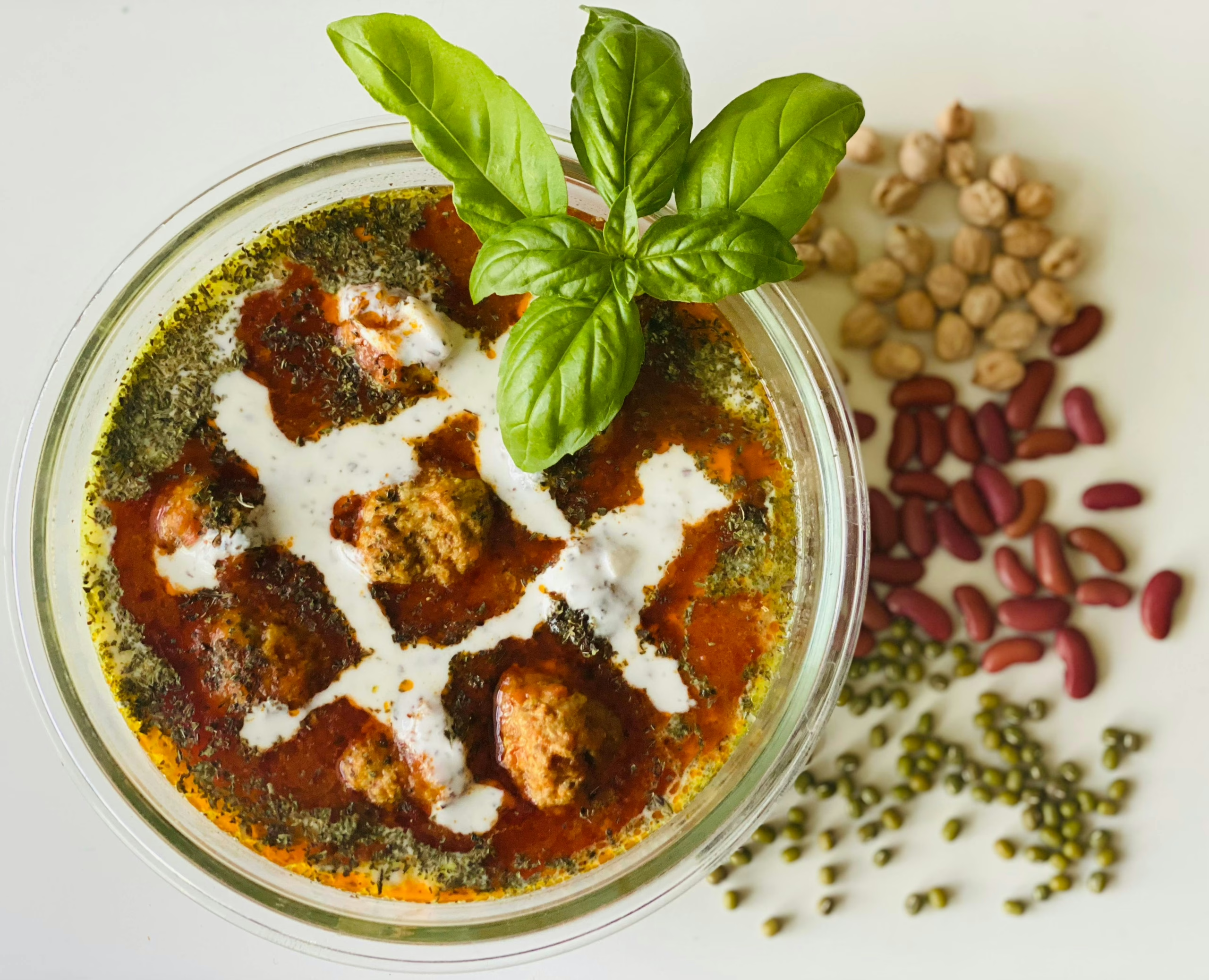
Dinner: Turkey meatballs with polenta
Day 5
Breakfast: Gluten-free toast with avocado
Lunch: Chicken soup with rice
Snack: Grapes
Dinner: Grilled cod with pumpkin
Day 6
Breakfast: Omelet with bell peppers
Lunch: Quinoa salad with chicken
Snack: Gluten-free crackers
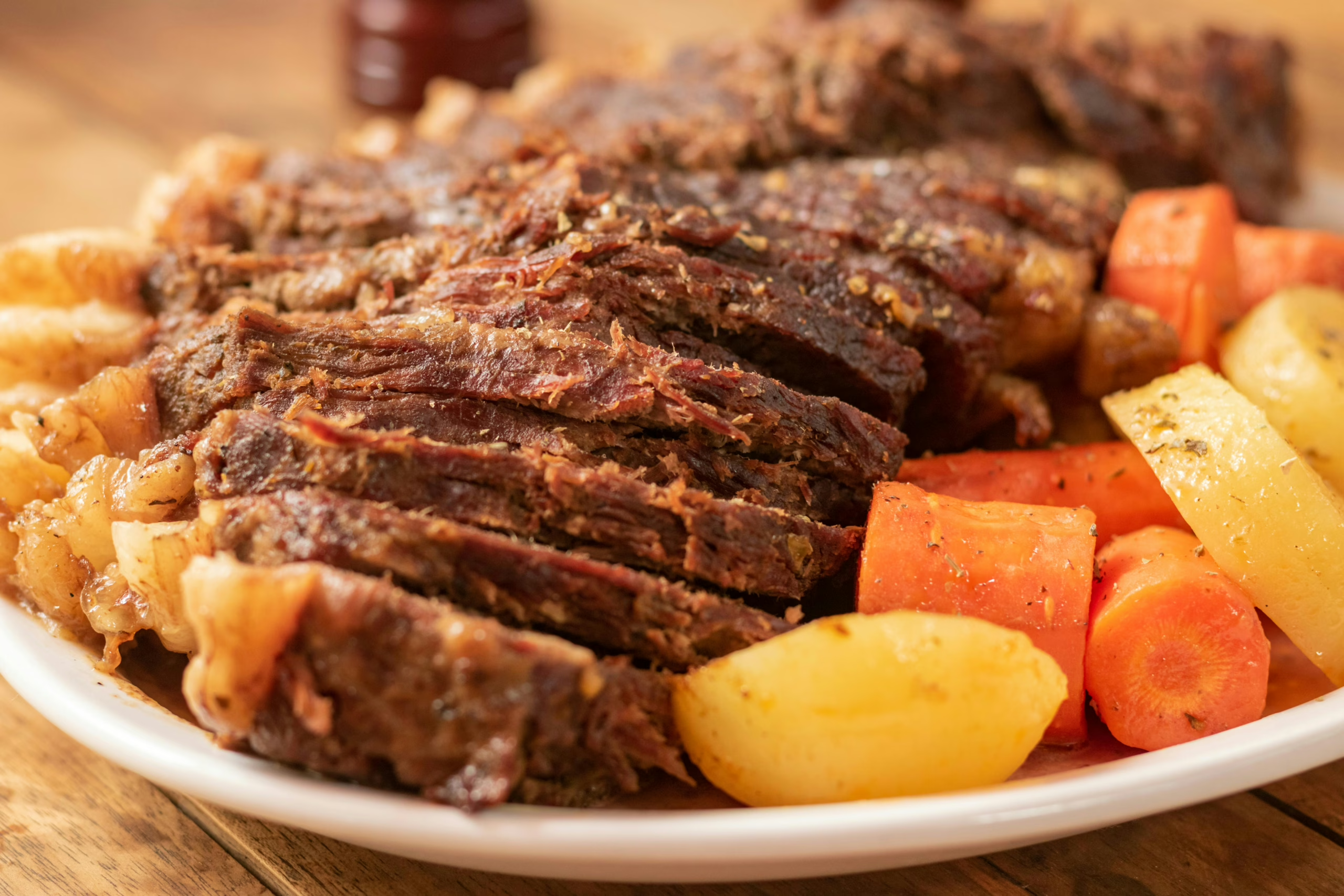
Dinner: Roast beef with sweet potato
Day 7
Breakfast: Rice cereal with lactose-free milk
Lunch: Grilled chicken with spinach
Snack: Pear
Dinner: Salmon with polenta
This structure supports celiac meal planning by prioritizing safe ingredients and repeatable routines.
Everyday Habits That Support Gluten-Free Success
Alongside weekly structure, these habits often support celiac meal planning:
• Use certified gluten-free products, especially oats and flours
• Cook at home when possible to reduce cross-contamination
• Plan snacks to avoid unsafe food when away from home
• Supplement thoughtfully if advised (iron, calcium, vitamin D, B vitamins)
Consistency builds confidence.
What Experts Commonly Emphasize
Many professional organizations emphasize principles aligned with celiac meal planning:
• Academy of Nutrition and Dietetics: Highlights lifelong gluten-free adherence paired with nutrition monitoring.
• National Institute of Diabetes and Digestive and Kidney Diseases: Emphasizes careful label reading and balanced gluten-free eating.
• Springer-published reviews: Discuss long-term nutritional challenges and the importance of planning in gluten-free diets.
These references are included for educational context only.
Risks & Considerations to Keep in Mind
While celiac meal planning is essential, awareness of challenges matters:
• Hidden gluten: Often found in sauces, gravies, and processed foods
• Nutrient gaps: Gluten-free diets may lack fiber, iron, and folate
• Social stress: Strict adherence can feel isolating—planning reduces pressure
Planning supports both safety and quality of life.
⚠️ Important Disclaimer
This celiac meal planning guide is for educational and advocacy purposes only.
7Meals7Days does not provide medical advice. Always consult your doctor or a registered dietitian before making dietary changes, especially if you have celiac disease.
to receive weekly meal inspirations, kitchen hacks, and buying guides for healthy living
Confidence Grows With Every Planned Week
Living gluten-free requires commitment—but it doesn’t have to feel overwhelming. Celiac meal planning at 7Meals7Days is designed to help you organize meals, reduce risk, and feel confident in your everyday choices.
Explore more plans in the Health & Healing category, or return to the Homepage to see how weekly meal planning can support your routine—one safe, steady week at a time.