External Vacuum Sealer Buying Guide for Weekly Meal Planning
External Vacuum Sealer Buying Guide for Weekly Meal Planning
A practical external vacuum sealer buying guide to help you choose a reliable food preservation solution for fresher ingredients, organized freezer storage, and consistent weekly meal planning.
External Vacuum Sealer Buying Guide for Weekly Meal Planning
Preparing meals ahead of time is one of the easiest ways to save time during busy weeks. However, successful meal planning depends on more than simply cooking in advance. The way food is stored has a significant impact on how long it stays fresh, how well it maintains its quality, and whether those prepared meals are still enjoyable days or weeks later.
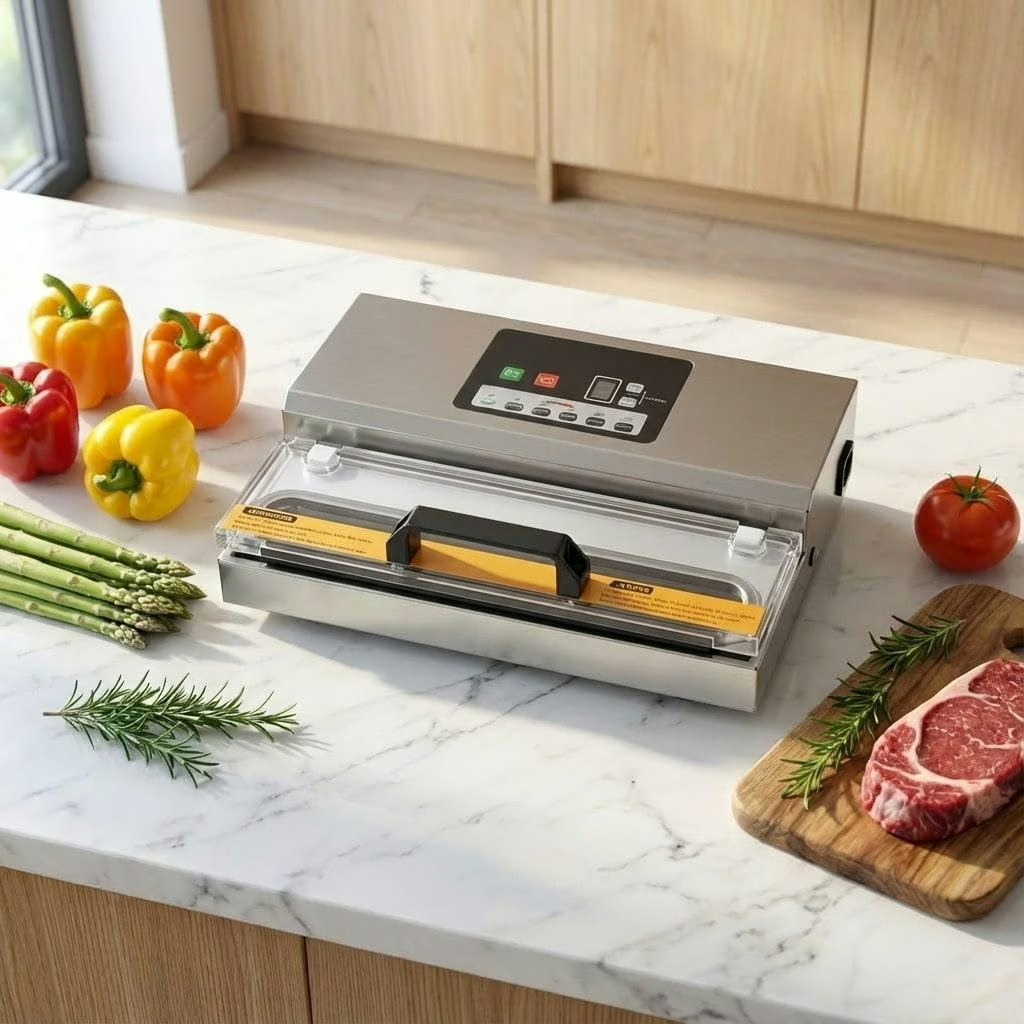
An external vacuum sealer is one of the most popular food preservation tools for home kitchens because it helps extend freshness while reducing freezer burn and food waste. By removing air from specially designed vacuum bags before sealing them, these machines create a protective barrier that helps preserve ingredients and prepared meals for longer periods.
This external vacuum sealer buying guide explains how these machines work, their advantages and limitations, who benefits most from using one, and the key features to consider before making a purchase.

How an External Vacuum Sealer Works
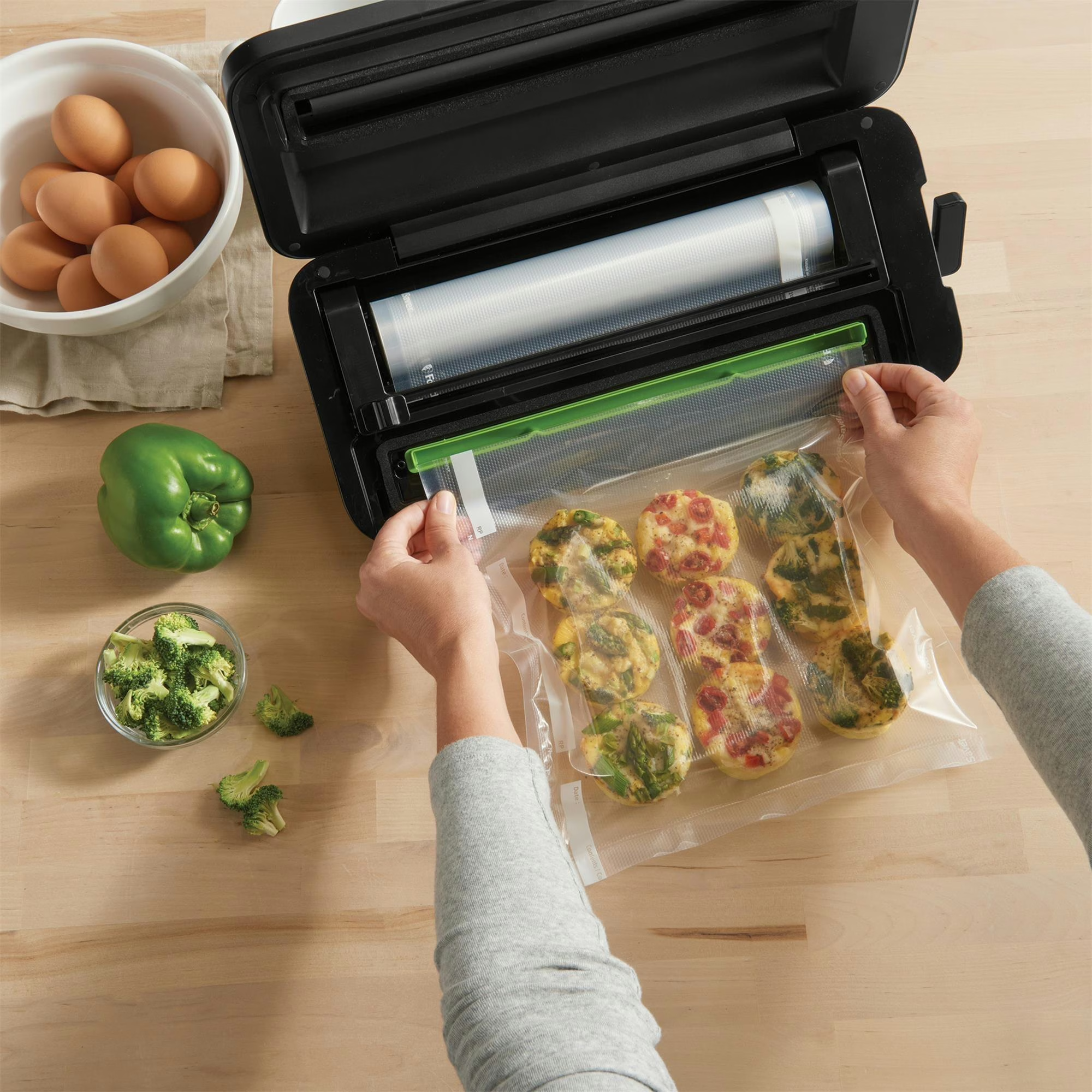
An external vacuum sealer operates by drawing air out of the open end of a vacuum bag before creating a heat seal across the opening.
Unlike chamber vacuum sealers, only the open end of the bag is placed inside the machine while the food remains outside. Once the air has been removed, the machine seals the bag to prevent oxygen from re-entering.
Reducing oxygen exposure helps slow the natural deterioration of food by limiting oxidation. This preserves flavor, texture, and overall quality while reducing the likelihood of freezer burn during long-term storage.
Most home models use embossed vacuum bags designed to allow air to flow efficiently during the sealing process.
Why External Vacuum Sealers Work Well for Weekly Meal Planning
An external vacuum sealer fits naturally into a weekly meal planning routine because it supports several common meal prep activities.
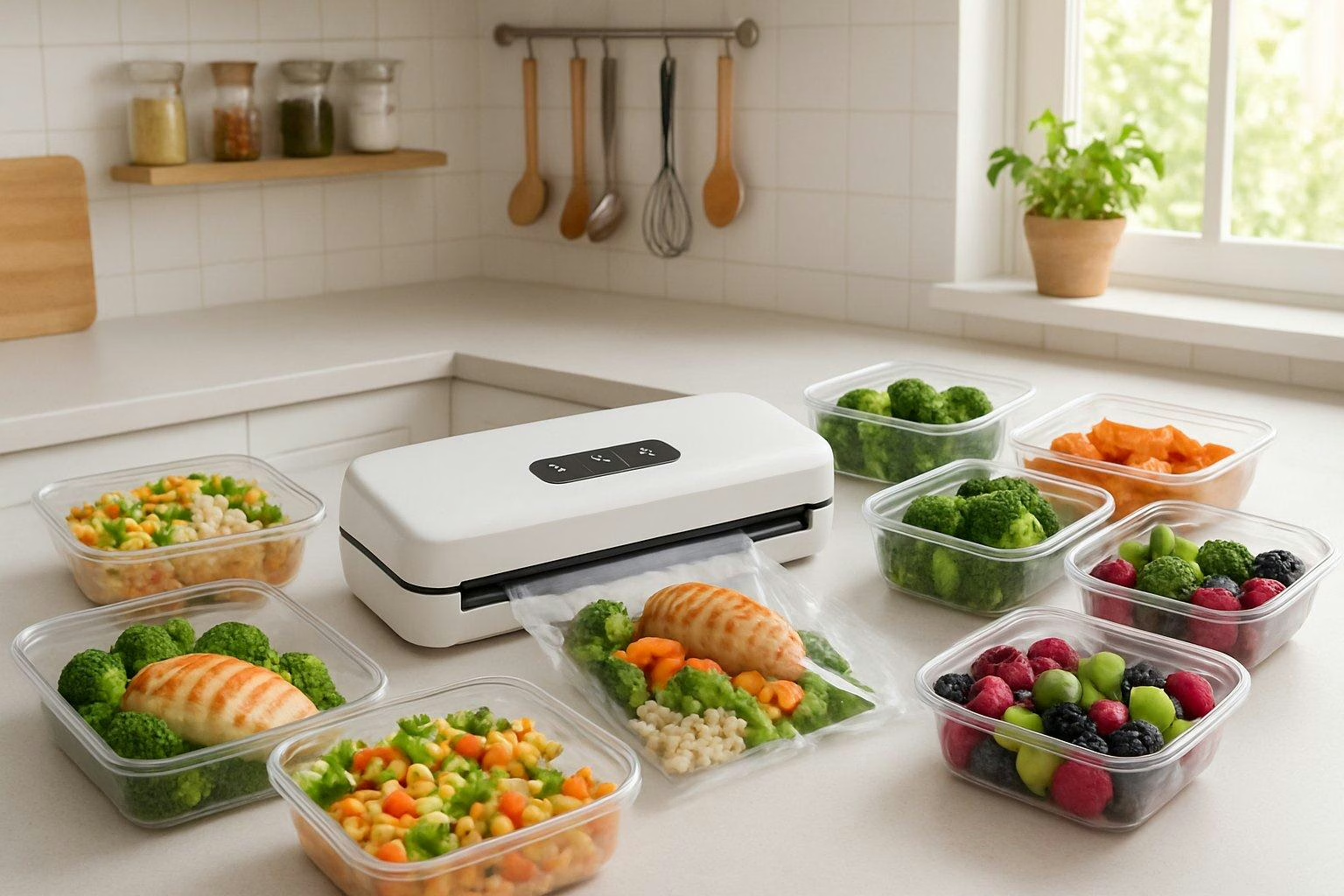
Many households prepare proteins, vegetables, or complete meals in advance before freezing them in individual portions. Vacuum sealing helps protect these meals until they are needed, allowing families to prepare larger batches without worrying about rapid quality loss.
For shoppers who purchase groceries in bulk, an external vacuum sealer also makes it easier to divide larger packages into meal-sized portions before freezing.
Common weekly meal planning applications include:
Portioning meat for future meals
Freezing prepared dinners
Preserving fresh vegetables
Storing shredded cheese
Organizing freezer meal kits
Protecting seasonal produce
Reducing food waste from leftovers
These practical uses make external vacuum sealers one of the most versatile food preservation tools available for home kitchens.
Advantages of an External Vacuum Sealer
One reason the external vacuum sealer remains the most popular type is its balance of performance, affordability, and simplicity.
Some of its biggest advantages include:
Affordable for Most Households
External vacuum sealers are generally less expensive than chamber vacuum sealers, making them an accessible choice for beginners and experienced meal planners alike.
Easy to Learn
Most machines use simple controls with automatic vacuum and sealing cycles, allowing users to preserve food quickly without complicated settings.
Compact Design
Many external vacuum sealers have a relatively small footprint, making them easier to store in cabinets or leave on a countertop for frequent use.
Excellent for Freezer Storage
External vacuum sealers significantly reduce freezer burn, helping frozen food maintain better quality over extended storage periods.
Supports Batch Cooking
Meal preppers can prepare several meals at once, vacuum seal individual portions, and freeze them for convenient use throughout the month.
Limitations to Consider
Although an external vacuum sealer is highly practical, it is important to understand its limitations before purchasing.
Liquids Can Be Challenging
Because the machine draws air directly from the bag opening, liquids such as soups, sauces, or marinades can be pulled toward the sealing strip.
Many users partially freeze liquid foods before sealing them.
Requires Specialty Bags
External vacuum sealers typically require textured or embossed vacuum bags to function correctly.
Slower for High-Volume Use
While excellent for home kitchens, external vacuum sealers may become less efficient when processing very large quantities of food compared to commercial or chamber models.
Who Should Buy an External Vacuum Sealer?
An external vacuum sealer is an excellent choice for:
Families preparing meals every week
Individuals who batch cook
People buying groceries in bulk
Home cooks reducing food waste
Fitness enthusiasts preparing portion-controlled meals
Gardeners preserving seasonal vegetables
Anyone looking to organize freezer storage more efficiently
For most households, an external vacuum sealer provides the ideal combination of affordability, ease of use, and reliable performance.
Features That Matter Most for Weekly Use
Features to Look For: When comparing an external vacuum sealer, consider features that support your meal planning routine rather than simply choosing the machine with the longest feature list. Important features include: Adjustable sealing modes Moist and dry food settings Double-seal technology Built-in bag cutter Roll storage compartment Pulse vacuum function Accessory hose compatibility Easy-to-clean drip tray Choosing features that match your cooking habits helps ensure long-term satisfaction.
Frequently Asked Questions
Yes. Its simple operation and affordable price make it one of the easiest vacuum sealers for first-time users.
Yes. Allow cooked food to cool before vacuum sealing and freezing.
While no storage method eliminates freezer burn completely, vacuum sealing significantly reduces its likelihood by minimizing air exposure.
Storage time varies by food type and storage conditions, but vacuum sealing generally extends freshness compared to traditional storage methods.
Final Thoughts
An external vacuum sealer remains one of the most practical investments for households committed to weekly meal planning. Its combination of affordability, ease of use, and reliable food preservation makes it well suited for preserving ingredients, organizing freezer meals, and reducing food waste.
Rather than focusing solely on advanced features, choose an external vacuum sealer that matches your meal preparation habits, household size, and storage needs. When paired with consistent meal planning, it becomes an essential tool for keeping ingredients fresher, meals better organized, and your weekly cooking routine more efficient.