Cast Iron Cookware Buying Guide for Weekly Meal Planning
Cast Iron Cookware Buying Guide for Weekly Meal Planning
A practical cast iron cookware buying guide to help you choose durable cookware that delivers exceptional heat retention, versatile cooking performance, and reliable results for weekly meal planning.
Cast Iron Cookware Buying Guide for Weekly Meal Planning
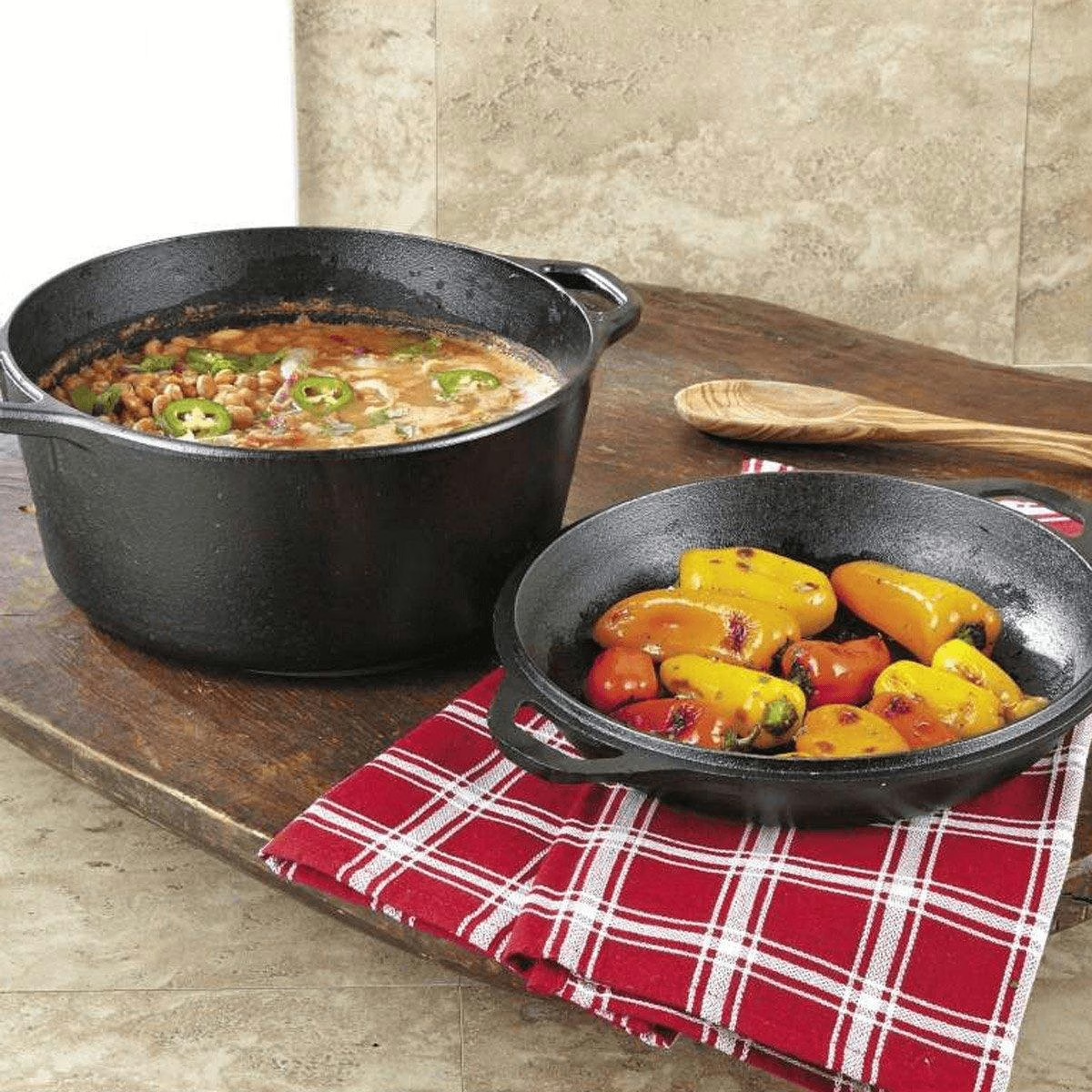
Few kitchen tools have earned the lasting reputation of cast iron cookware. For generations, home cooks have relied on cast iron skillets, Dutch ovens, and griddles to prepare everything from hearty breakfasts to slow-cooked family dinners. Known for its durability and exceptional heat retention, cast iron continues to be one of the most dependable cookware materials for everyday cooking.
Unlike many modern cookware options, cast iron cookware improves with proper care. As it is regularly seasoned and used, it develops a naturally easy-release cooking surface that enhances cooking performance while contributing to long-term durability.
This cast iron cookware buying guide explains how cast iron cookware works, the importance of seasoning, its advantages and limitations, maintenance requirements, cooking versatility, and why it remains a favorite for healthy weekly meal planning.
How Cast Iron Cookware Works
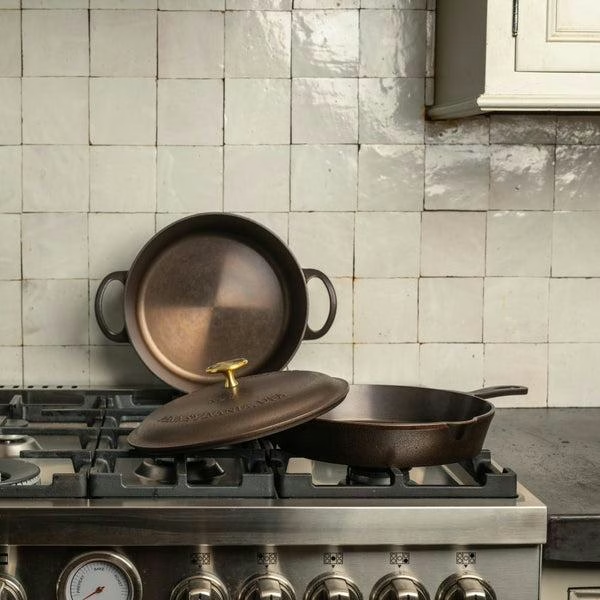
Cast iron cookware is made by pouring molten iron into molds, creating thick, durable cookware that retains and distributes heat exceptionally well. Once heated, cast iron maintains a consistent cooking temperature, making it ideal for recipes that require even cooking or prolonged heat.
One of the defining characteristics of cast iron cookware is its ability to develop a seasoned cooking surface. Seasoning is created by applying a thin layer of oil to the cookware and heating it until it bonds with the metal. Over time, repeated cooking and proper maintenance build a smooth, naturally easy-release surface that improves performance and helps protect the cookware from rust.
Unlike synthetic coatings, this seasoning develops naturally through regular use and proper care.
Why Cast Iron Cookware Supports Weekly Meal Planning
Cast iron cookware is especially valuable for meal planning because it handles a wide variety of cooking techniques using a single piece of cookware.
Whether preparing proteins, roasting vegetables, baking casseroles, or simmering soups, cast iron performs consistently from stovetop to oven. This versatility reduces the need for multiple specialty pans while simplifying meal preparation.
For weekly meal planning, cast iron cookware is excellent for:
Searing meats before slow cooking
Roasting vegetables
Preparing one-pan meals
Baking casseroles
Cooking breakfast dishes
Simmering stews and chili
Reheating prepared meals
Its ability to maintain steady heat helps produce consistent results, especially when preparing larger family meals or batch cooking recipes.
The Importance of Seasoning
One of the most important topics in any cast iron cookware buying guide is seasoning.
Seasoning creates a protective layer that improves cooking performance while helping prevent rust. Every time properly maintained cast iron cookware is used, the seasoning continues to strengthen.
Good seasoning provides several advantages:
Naturally Easy-Release Surface
Well-seasoned cookware reduces sticking, making cooking and cleanup easier.
Improved Cooking Performance
A mature seasoning layer promotes more even browning and enhances food release.
Rust Protection
Seasoning creates a barrier that protects the iron from moisture.
Long-Term Durability
Unlike manufactured coatings that may wear out over time, seasoning can be restored repeatedly, allowing cast iron cookware to last for generations.
Proper seasoning is one of the reasons cast iron remains a favorite among experienced home cooks.
Heat Retention and Cooking Performance
One of the defining advantages of cast iron cookware is its remarkable heat retention.
Once heated, cast iron maintains a stable cooking temperature, making it ideal for recipes that benefit from consistent heat.
Excellent Searing
High heat retention allows meats to develop rich browning and flavorful crusts.
Even Cooking
Steady temperatures reduce fluctuations that may affect cooking results.
Oven-to-Table Convenience
Many cast iron skillets and Dutch ovens move easily from stovetop to oven, simplifying meal preparation.
Versatile Cooking
Cast iron performs well for frying, baking, roasting, simmering, and slow cooking.
This versatility makes it an excellent choice for households preparing a variety of meals throughout the week.
Advantages of Cast Iron Cookware
Cast iron cookware offers several long-term benefits for home kitchens.
Exceptional Durability
With proper care, cast iron cookware can remain functional for decades and is often passed down through generations.
Naturally Improves Over Time
Regular seasoning enhances cooking performance and develops a smoother cooking surface.
Suitable for High Temperatures
Cast iron performs exceptionally well under high heat, making it ideal for searing and oven cooking.
Compatible with Most Heat Sources
Most cast iron cookware works on gas, electric, ceramic, induction cooktops, grills, and campfires.
Long-Term Value
Although heavier than many alternatives, its lifespan makes cast iron one of the most economical cookware investments available.
Limitations to Consider
Although cast iron cookware offers outstanding performance, it does require some additional care.
Heavier Than Other Materials
Cast iron cookware can be difficult for some users to lift, especially larger Dutch ovens or skillets.
Requires Routine Maintenance
Proper drying and occasional seasoning are necessary to maintain performance and prevent rust.
Slower to Heat
Because of its thick construction, cast iron takes longer to reach cooking temperature than thinner cookware.
Reactive with Some Acidic Foods
Extended cooking of highly acidic ingredients may affect the seasoning layer, particularly on newly seasoned cookware.
Maintenance and Care
Proper maintenance is essential for preserving cast iron cookware.
To extend its lifespan:
Wash shortly after use using warm water.
Dry completely to prevent rust.
Apply a light coating of cooking oil before storing.
Re-season when the cooking surface begins to lose its protective finish.
Store in a dry location.
With consistent care, cast iron cookware continues improving with age and can remain one of the longest-lasting pieces in any kitchen.
Who Should Buy Cast Iron Cookware?
Cast iron cookware is an excellent choice for:
Home cooks preparing meals every week
Families cooking large portions
Meal preppers
Bakers
Outdoor cooking enthusiasts
Anyone who values durable, long-lasting cookware
Cooks who enjoy searing and roasting
Its versatility makes it suitable for both beginner and experienced cooks willing to perform basic maintenance.
Frequently Asked Questions
Yes. Properly maintained cast iron cookware provides a naturally seasoned cooking surface without synthetic coatings and is widely used for everyday cooking.
Yes. Seasoning protects the cookware, improves cooking performance, and helps create a naturally easy-release surface.
Yes. Most cast iron cookware is fully compatible with induction cooking because it is naturally magnetic.
With proper maintenance, cast iron cookware can last for decades and is often passed down through multiple generations.
Final Thoughts
Cast iron cookware continues to be one of the most respected cookware materials because of its durability, outstanding heat retention, and remarkable versatility. From preparing simple breakfasts to batch cooking family meals, it supports a wide variety of cooking techniques while improving with regular use.
When choosing cast iron cookware, consider how much maintenance you’re comfortable performing, the types of meals you prepare most often, and whether its exceptional heat retention fits your cooking style. With proper seasoning and routine care, cast iron cookware can become a dependable kitchen companion for decades, making healthy cooking and weekly meal planning both practical and rewarding.