Korean Street Food–Inspired Meals in a Weekly Plan
Korean Street Food–Inspired Meals in a Weekly Plan
Bold flavors, cultural comfort, and street-market inspiration—planned for everyday life.
Why Korean Street Food Works for Weekly Planning
Korean street food is designed for real life: quick, satisfying, flavorful, and deeply rooted in culture. When adapted thoughtfully, Korean street food meal planning becomes a vibrant and balanced way to structure weekly meals.
Korean street food meal planning works because it:
- Blends carbohydrates, protein, and vegetables naturally
- Uses fermented foods that support digestion and depth of flavor
- Offers small, mix-and-match dishes that fit weekly rotation
- Balances indulgent items with rice, soups, and vegetables
Rather than treating street food as occasional indulgence, Korean street food meal planning reframes it as cultural inspiration for everyday meals.


Cultural Roots of Korean Street Food
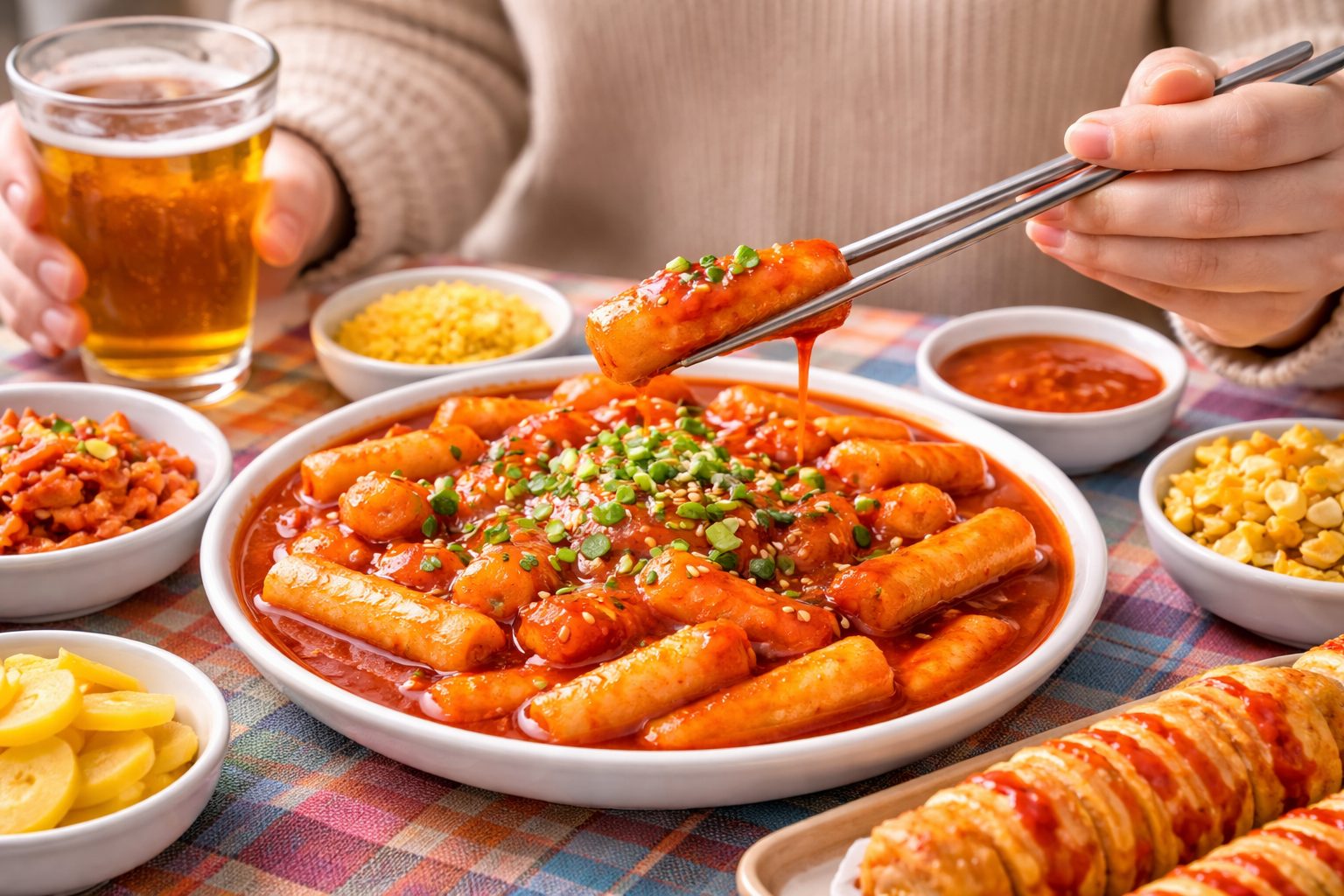
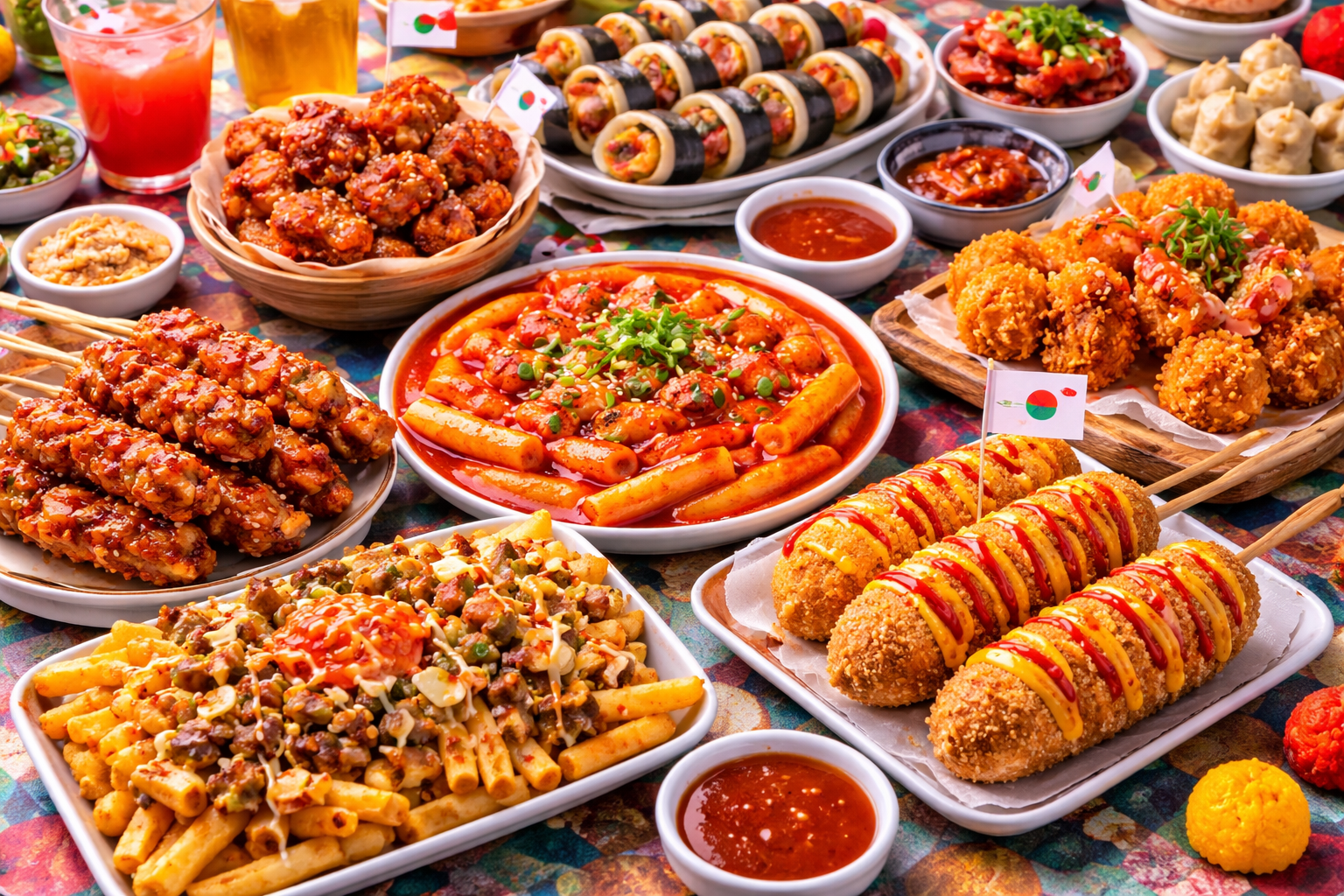
From bustling night markets to neighborhood stalls, Korean street food reflects accessibility, creativity, and shared experience. Foods like tteokbokki, gimbap, hotteok, and pajeon evolved to be portable, affordable, and satisfying.
In Korean street food meal planning, these dishes are:
- Portion-adjusted for home meals
- Paired with vegetables or soups for balance
- Integrated into weekly rhythms rather than isolated treats
This approach respects tradition while supporting modern routines.
Core Staples for Korean Street Food Meal Planning
Building a Korean street food–inspired week starts with versatile ingredients.
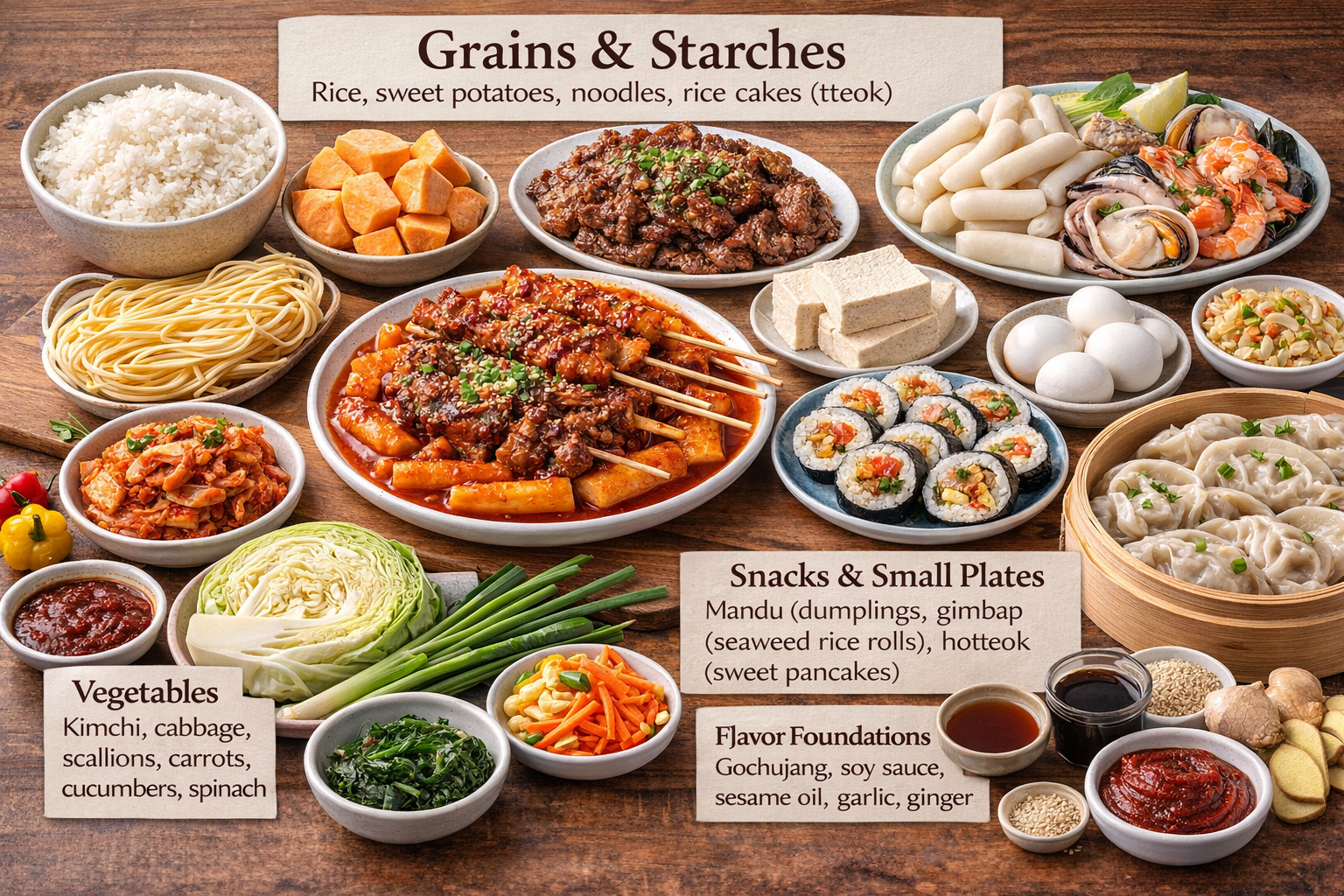
Grains & Starches
Rice, sweet potatoes, noodles, rice cakes (tteok)
Proteins
Beef bulgogi, chicken skewers, seafood, tofu, eggs
Vegetables
Kimchi, cabbage, scallions, carrots, cucumbers, spinach
Snacks & Small Plates
Mandu (dumplings), gimbap (seaweed rice rolls), hotteok (sweet pancakes)
Flavor Foundations
Gochujang, soy sauce, sesame oil, garlic, ginger
These staples allow Korean street food meal planning to stay flexible, bold, and nourishing.
Sample Weekly Korean Street Food–Inspired Meal Plan
This table shows how Korean street food meal planning balances fun, flavor, and weekly structure.
Day 1
Breakfast – Hotteok (sweet pancake with nuts)
Lunch – Gimbap with vegetables & egg
Dinner – Tteokbokki with boiled egg
Snack – Roasted chestnuts
Focus – Energy + tradition
Day 2
Breakfast – Steamed bun with red bean filling
Lunch – Japchae with vegetables & beef
Dinner – Grilled chicken skewers with rice & kimchi
Snack – Fresh pear
Focus – Protein + fiber
Day 3
Breakfast – Street-style egg toast
Lunch – Seafood pajeon (scallion pancake)
Dinner – Bulgogi beef with lettuce wraps
Snack – Rice crackers
Focus – Lean protein + greens
Day 4
Breakfast – Sweet potato sticks
Lunch – Mandu (dumplings) with dipping sauce
Dinner – Spicy fried chicken with pickled radish
Snack – Banana
Focus – Comfort + balance
Day 5
Breakfast – Rice porridge with sesame seeds
Lunch – Bibimbap with vegetables & egg
Dinner – Grilled mackerel with kimchi stew
Snack – Roasted peanuts
Focus – Omega-3s + satiety
Day 6
Breakfast – Soy milk with fruit
Lunch – Tteokguk (rice cake soup)
Dinner – Dak-galbi (spicy chicken & cabbage)
Snack – Apple slices
Focus – Recovery + spice
Day 7
Breakfast – Toast with honey & sesame
Lunch – Kimchi fried rice with tofu
Dinner – Samgyeopsal with lettuce wraps
Snack – Persimmon
Focus – Flavor + tradition
Practical Tips for Korean Street Food Meal Planning
Batch-cook rice and noodles to save time
- Prepare sauces (gochujang, soy-garlic) in advance
- Pair fried or spicy dishes with vegetables or soup
- Include kimchi regularly for fermentation and balance
- Treat street food dishes as anchors, not the entire meal
These strategies keep Korean street food meal planning enjoyable and sustainable.
Disclaimer
This article is for cultural and educational purposes only. Nutritional needs vary by individual. Always adapt meals based on personal health needs and professional guidance.
to receive weekly meal inspirations, kitchen hacks, and buying guides for healthy living
Practical Takeaway
Korean street food meal planning brings excitement and cultural richness into weekly routines. By combining rice, noodles, fermented vegetables, proteins, and bold sauces, households can enjoy the spirit of Korean street markets while maintaining balance, nourishment, and variety throughout the week.