

Supporting Metabolic Health While Traveling With a Meal Plan
Supporting Metabolic Health While Traveling With a Meal Plan
Metabolic health while traveling supported through balanced, portable meals that protect energy and blood sugar.
When Travel Disrupts Metabolism
Travel places unique stress on the body. Long days, changing time zones, limited food access, and dehydration can all interfere with metabolic health while traveling. Meals are often skipped or replaced with refined snacks, which can lead to energy crashes, poor focus, and disrupted blood sugar.
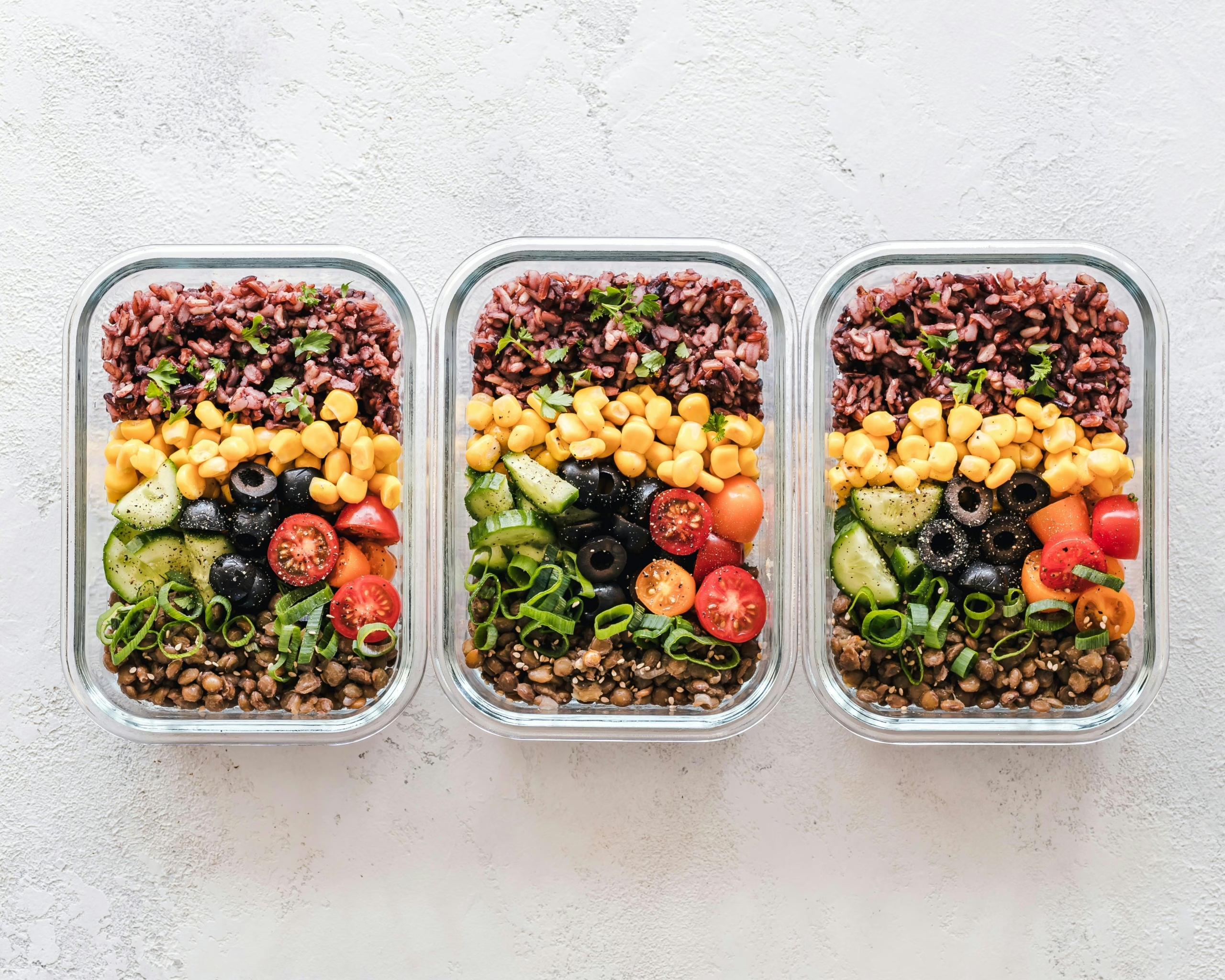
Meal planning helps restore structure. By preparing ahead, travelers can support metabolic health while traveling without rigid rules or complex prep.


Why Metabolic Health Is Challenged During Travel
Several common travel factors affect metabolic balance:
- Irregular schedules: Missed meals or long gaps disrupt energy regulation
- Limited food options: Many travel hubs lack balanced meals
- Dehydration risk: Flights and long trips reduce fluid intake
- Reduced activity: Prolonged sitting lowers energy expenditure
- Stress and fatigue: These affect appetite and glucose control
Intentional planning helps protect metabolic health while traveling even in unpredictable environments.
Core Principles for Metabolic Health While Traveling
Effective travel meal planning focuses on balance and portability:
- Protein at every meal: Supports lean muscle and resting metabolic rate
- Balanced glycemic load: Pair carbs with protein and fats to stabilize blood sugar
- Micronutrient diversity: Greens, nuts, seeds, and lean proteins supply metabolic cofactors
- Hydration: Carry a refillable bottle and sip consistently
- Portable foods: Snacks prevent reliance on ultra-processed options
These principles make metabolic health while traveling achievable rather than stressful.
Sample Travel-Friendly Metabolic Meal Plan
Time: Morning (pre-travel)
Meal: Breakfast
Example: Scrambled eggs with spinach & whole-grain toast
Metabolic Focus: Protein + B vitamins
Time: Midday (airport/road)
Meal: Snack
Example: Greek yogurt cup with walnuts
Metabolic Focus: Protein + healthy fats
Time: Lunch (on the go)
Meal: Wrap
Example: Whole-grain tortilla with grilled chicken, avocado, and lettuce
Metabolic Focus: Balanced glycemic load
Time: Afternoon
Meal: Snack
Example: Apple slices with almond butter
Metabolic Focus: Fiber + satiety
Time: Dinner (destination)
Meal: Bowl
Example: Grilled salmon with quinoa & roasted vegetables
Metabolic Focus: Omega-3s + micronutrients
Time: Evening
Meal: Light snack
Example: Cottage cheese with pineapple
Metabolic Focus: Protein + magnesium
This structure supports metabolic health while traveling by keeping meals regular and nutritionally complete.
How Meal Planning Protects Energy on Travel Days
When meals are balanced and predictable, travelers experience:
- More stable energy levels
- Fewer blood sugar dips
- Better appetite regulation
- Reduced reliance on convenience foods
Supporting metabolic health while traveling is less about perfection and more about consistency.
Practical Everyday Tips
To maintain metabolic balance on the go:
- Pack portable protein (boiled eggs, jerky, protein bars)
- Choose smart carbs like whole-grain wraps or fruit
- Drink water hourly during flights or long drives
- Research food options at travel hubs in advance
- Build meals with protein, carbs, and fats together
These habits reinforce metabolic health while traveling across different environments.
Practical Takeaway
Metabolic health while traveling depends on preparation, balance, and hydration. With portable meals that include protein, complex carbs, healthy fats, and micronutrients, travelers can maintain steady energy and comfort even during long or unpredictable trips.
Meal planning turns travel food into support—not a setback.
to receive weekly meal inspirations, kitchen hacks, and buying guides for healthy living
Disclaimer
This content is for informational purposes only and does not provide medical advice. Nutritional needs vary by individual. Consult a qualified healthcare professional or registered dietitian for personalized guidance.
