Fiber-Forward Meal Planning Tips for Travel Days
Fiber-Forward Meal Planning Tips for Travel Days
Fiber-forward meal planning that keeps digestion steady, energy balanced, and travel days comfortable.
When Travel Disrupts Routine, Fiber Creates Stability
Travel days often disrupt normal eating patterns. Long flights, road trips, irregular schedules, and limited food options can quickly lead to digestive discomfort, low energy, and reliance on highly processed snacks. This is where fiber-forward meal planning becomes especially valuable.
Fiber-forward meal planning focuses on choosing portable, gut-friendly foods that support digestion, satiety, and steady energy—without adding stress to already busy travel days.

Why Fiber Matters on Travel Days
Fiber-forward meal planning supports the body in several important ways while traveling:
- Digestive support: Fiber helps maintain regularity when routines change
- Satiety: High-fiber foods keep you fuller longer, reducing impulse snacking
- Blood sugar balance: Fiber slows glucose absorption and prevents energy crashes
- Gut health: Prebiotic fibers feed beneficial gut bacteria
- Immune support: A healthy gut microbiome supports immune defenses during travel
For travelers, fiber-forward meal planning helps food feel supportive rather than disruptive.
Core Principles of Fiber-Forward Meal Planning for Travel
Successful fiber-forward meal planning on travel days relies on simplicity and preparation:
- Portable fiber sources: Nuts, seeds, fruit, whole-grain wraps
- Hydration: Fiber works best with fluids—carry a refillable water bottle
- Balanced snacks: Pair fiber with protein or healthy fats
- Lighter meals before flights: Avoid heavy foods that may cause discomfort
- Planning ahead: Prep snacks and simple meals before leaving
These principles keep fiber-forward meal planning realistic even when schedules are unpredictable.
Sample Travel-Friendly Fiber-Forward Meal Plan
This example shows how fiber-forward meal planning can fit into a full travel day.
Time: Morning (pre-travel)
Meal: Breakfast
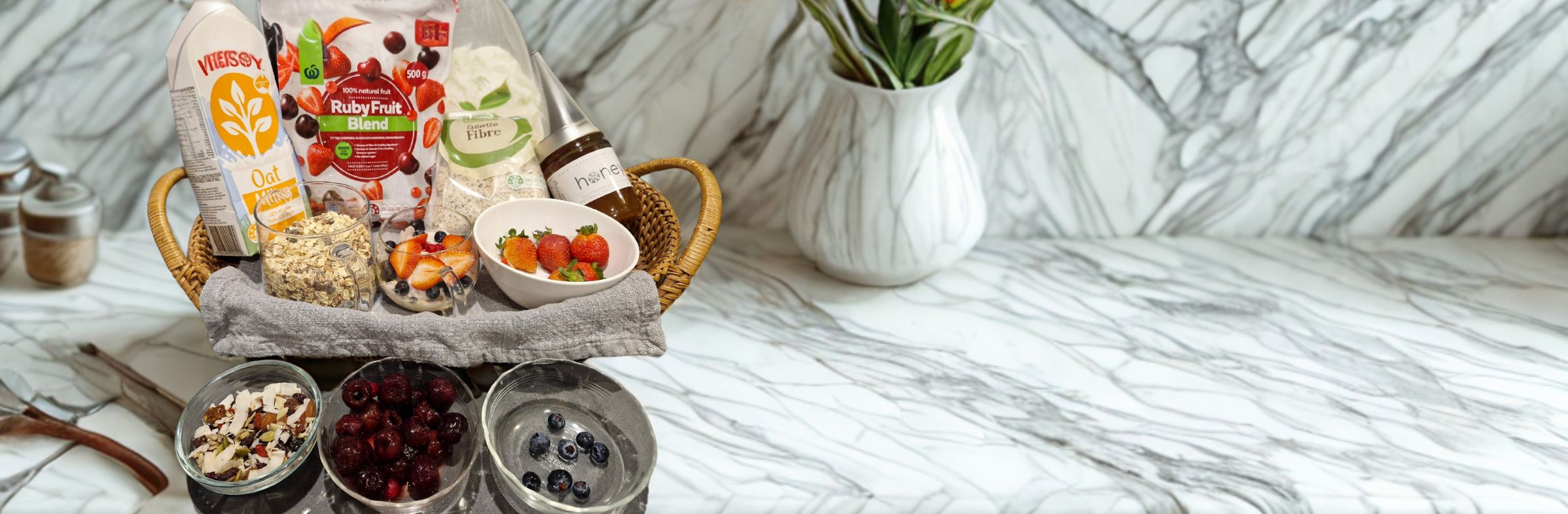
Example: Overnight oats with chia seeds, berries, and almond butter
Fiber Focus: Soluble + insoluble fiber
Time: Midday (airport/road)
Meal: Snack
Example: Apple slices with peanut butter
Fiber Focus: Portable + balanced
Time: Lunch (on the go)
Meal: Wrap
Example: Whole-grain tortilla with hummus, spinach, and roasted chickpeas
Fiber Focus: High fiber + plant protein
Time: Afternoon
Meal: Snack
Example: Trail mix (almonds, walnuts, raisins, pumpkin seeds)
Fiber Focus: Fiber + healthy fats
Time: Dinner (destination)
Meal: Bowl
Example: Lentil and vegetable stew with brown rice
Fiber Focus: Gut-friendly fiber
Time: Evening
Meal: Light snack
Example: Kiwi or pear
Fiber Focus: Hydrating + digestive support
How Fiber-Forward Meal Planning Supports Comfortable Travel
Travel often involves sitting for long periods, dehydration, and limited food choices—all of which can challenge digestion. Fiber-forward meal planning helps counteract these stressors by supporting:
- Regular digestion
- Steady energy levels
- Reduced bloating and discomfort
- More intentional food choices
Instead of reacting to hunger, fiber-forward meal planning keeps nourishment proactive.
Practical Everyday Tips for Travel Days
To make fiber-forward meal planning work smoothly while traveling:
- Pack nuts, seeds, and dried fruit in resealable bags
- Choose whole grains when dining out
- Prioritize fruit first when options are limited
- Drink water regularly throughout the day
- Balance fiber with protein and fats for comfort
These small habits make fiber-forward meal planning easy to maintain on the go.
Practical Takeaway
Fiber-forward meal planning for travel days is about preparation, balance, and digestive support. By packing portable, high-fiber foods and pairing them with hydration and protein, travelers can stay energized, comfortable, and nourished—even when routines change.
With a little planning, fiber-forward meal planning turns travel food from a challenge into a source of steady support.
to receive weekly meal inspirations, kitchen hacks, and buying guides for healthy living
Disclaimer
This article is for informational purposes only and does not provide medical advice. Individual digestive needs vary. Consult a qualified healthcare professional or registered dietitian for personalized nutrition guidance.