How to Plan Healthy Meals When Time Is Limited
How to Plan Healthy Meals When Time Is Limited
Time-smart meal planning that keeps you nourished—even on your busiest days.
When Time Is Tight, Food Choices Matter More
Busy days don’t just steal time—they drain energy, focus, and patience. When schedules are packed, food decisions often become rushed, reactive, or skipped entirely. This is where time-smart meal planning makes a meaningful difference.
Time-smart meal planning is about preparing just enough structure to support healthy eating without demanding hours in the kitchen. It allows nourishment to fit into real life—commutes, deadlines, travel days, and long to-do lists included.


Why Time-Smart Meal Planning Matters
Time-smart meal planning supports both health and sanity by:
- Reducing stress: Meals are already decided, so there’s no last-minute scramble
- Supporting health goals: Balanced meals remain possible even with limited time
- Saving money: Planning reduces food waste and cuts down on takeout
- Boosting energy: Quick, nutrient-dense meals support focus and productivity
Rather than aiming for perfection, time-smart meal planning focuses on consistency.
Core Principles of Time-Smart Meal Planning
Time-smart meal planning works because it relies on a few simple, repeatable strategies:
- Batch cooking: Prepare proteins, grains, and vegetables in bulk
- Mix & match meals: Reuse versatile ingredients across the week
- One-pan cooking: Sheet-pan meals and stir-fries save prep and cleanup time
- Smart snacks: Keep quick energy options ready
- Frozen & pre-cut produce: Saves time while preserving nutrients
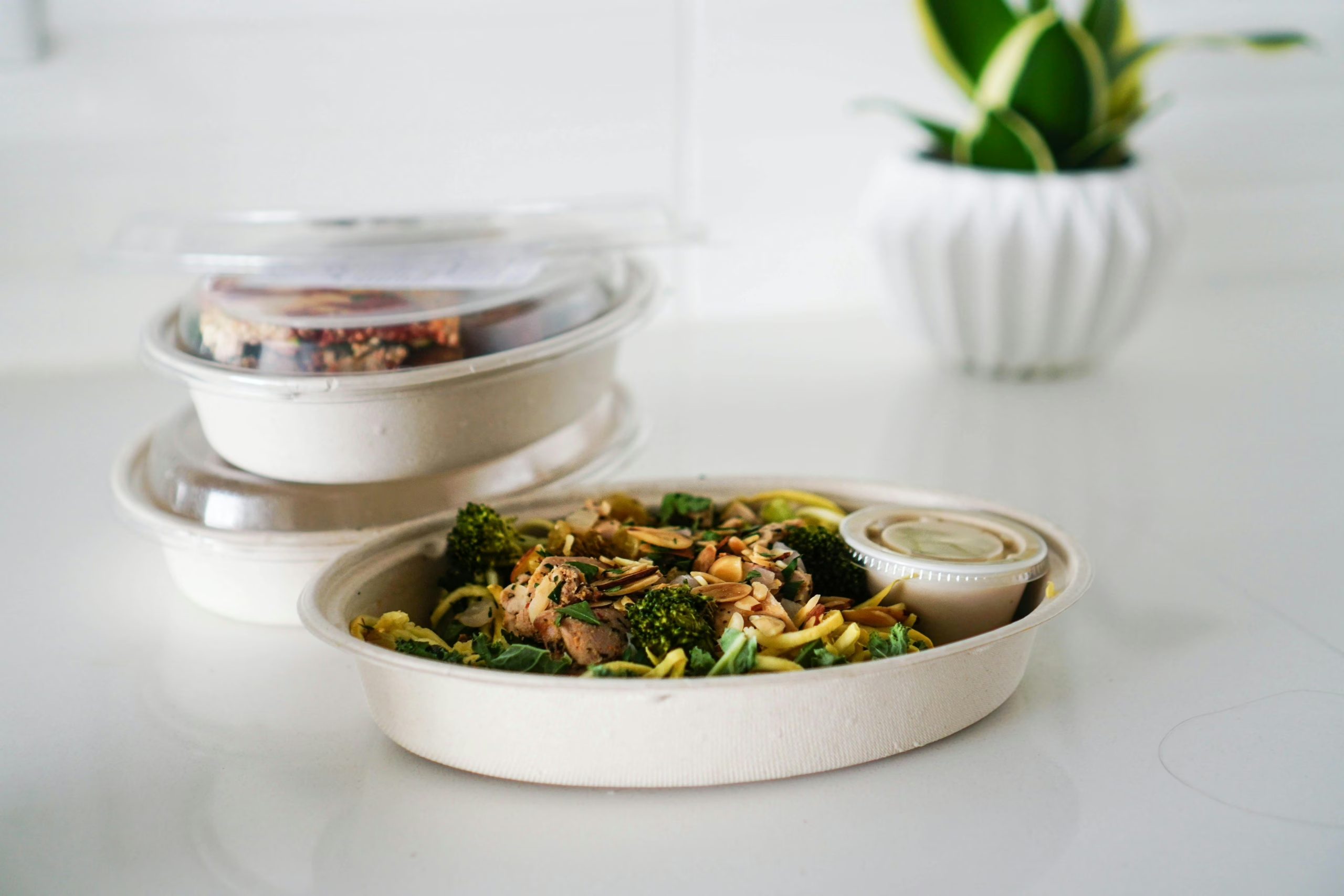
- Meal prep containers: Portion meals ahead for grab-and-go ease
These principles allow time-smart meal planning to fit even unpredictable schedules.
Sample Weekly Quick Meal Plan
Time-Smart & Healthy
This example shows how time-smart meal planning keeps meals balanced without long prep times.
Day 1
Breakfast: Overnight oats with chia & berries
Lunch: Quinoa salad with chickpeas & spinach
Snack: Greek yogurt
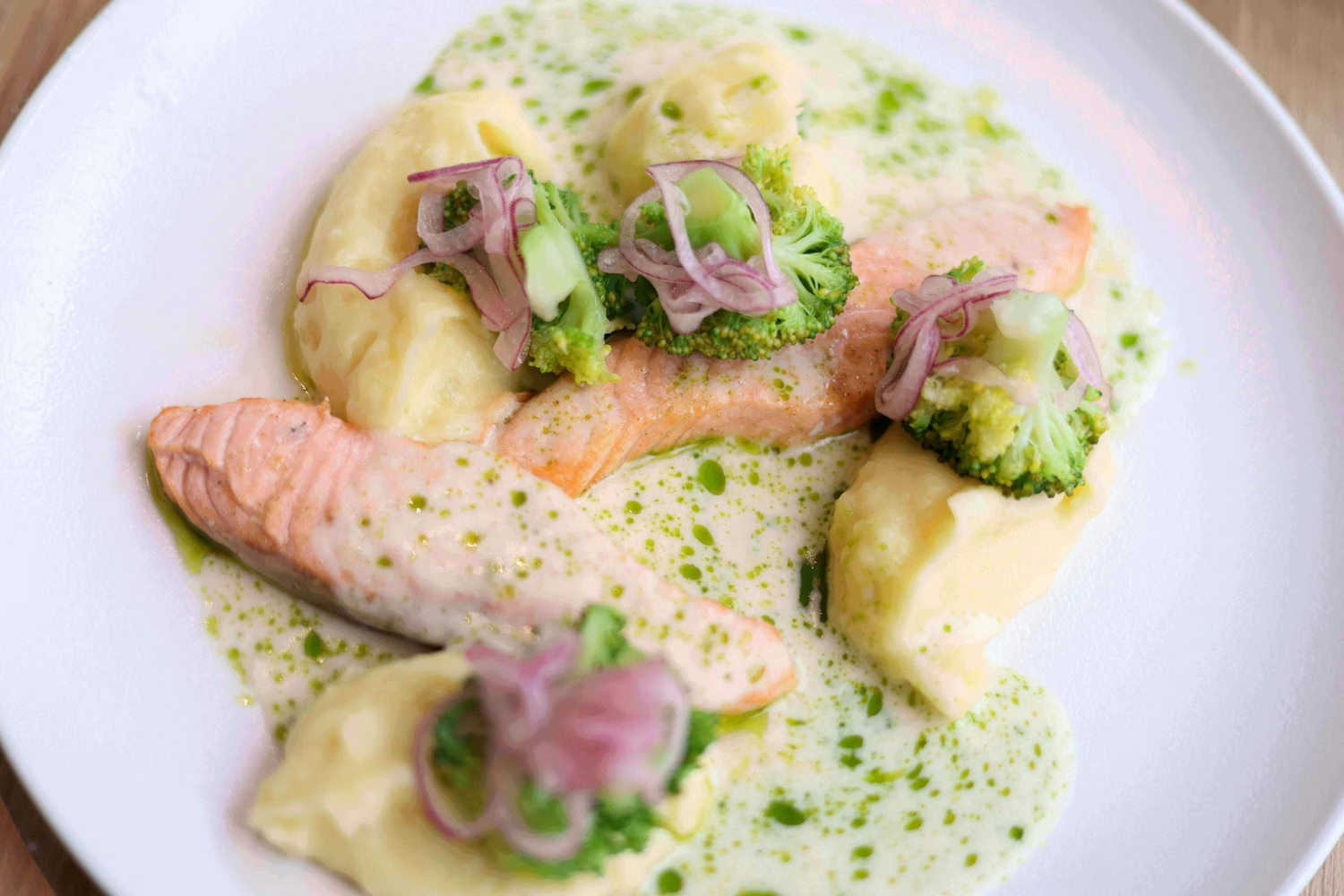
Dinner: Sheet-pan salmon with broccoli & sweet potato
Time-Saving Focus: Batch-prepped grains
Day 2
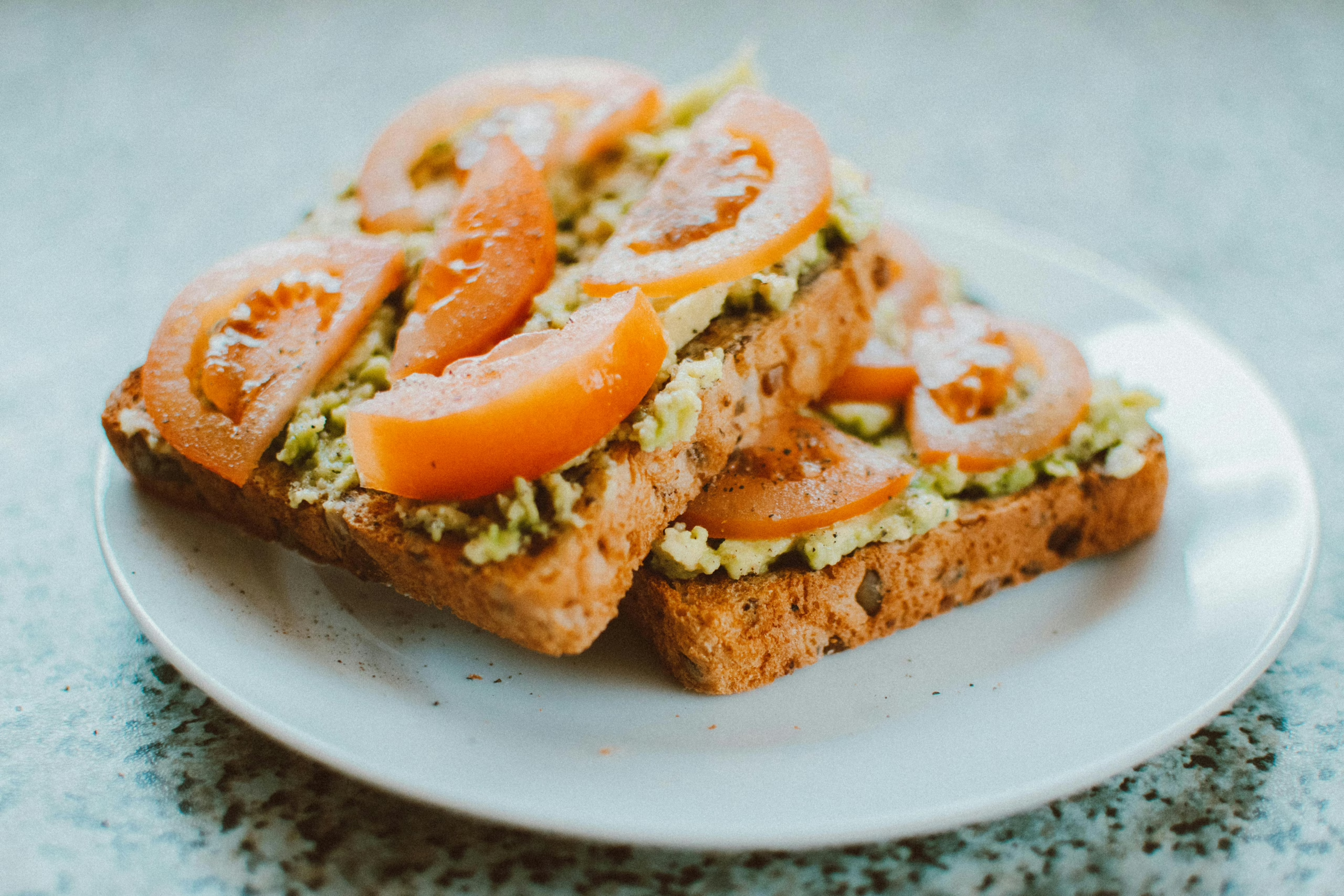
Breakfast: Whole-grain toast with avocado & boiled egg
Lunch: Turkey wrap with hummus & cucumber
Snack: Apple + almonds
Dinner: Chicken stir-fry with frozen veggies & brown rice
Time-Saving Focus: One-pan cooking
Day 3
Breakfast: Smoothie (banana, kale, protein powder)
Lunch: Lentil soup (batch-cooked)
Snack: Cottage cheese + pineapple
Dinner: Shrimp stir-fry with garlic & bok choy
Time-Saving Focus: Frozen vegetables
Day 4
Breakfast: Yogurt with granola & raspberries
Lunch: Tuna salad with olive oil & whole-grain crackers
Snack: Trail mix
Dinner: Pre-marinated tofu with roasted carrots & barley
Time-Saving Focus: Pre-marinated proteins
Day 5
Breakfast: Vegetable omelet (quick sauté)
Lunch: Chicken Caesar salad (rotisserie shortcut)
Snack: Orange + cashews
Dinner: Beef chili (slow cooker batch)
Time-Saving Focus: Slow cooker efficiency
Day 6
Breakfast: Rice porridge with sesame seeds & fruit
Lunch: Mediterranean bowl (beans, olives, tomatoes, pita)
Snack: Kiwi + sunflower seeds
Dinner: Grilled mackerel with frozen spinach & couscous
Time-Saving Focus: Quick-assembly bowls
Day 7
Breakfast: Cottage cheese with peaches & oats
Lunch: Black bean burrito bowl
Snack: Banana + pistachios
Dinner: Roast chicken with cauliflower mash (pre-roasted)
Time-Saving Focus: Weekend batch cooking
How Time-Smart Meal Planning Fits Busy Lifestyles
Time-smart meal planning is especially helpful for:
- Professionals with long or unpredictable workdays
- Families juggling school, work, and activities
- Travelers and commuters
- Anyone experiencing decision fatigue around food
Instead of cooking from scratch every day, time-smart meal planning creates a flexible system you can lean on.
Practical Everyday Tips
To make time-smart meal planning work long-term:
- Cook once, eat twice by doubling recipes
- Use shortcuts wisely (rotisserie chicken, canned beans, frozen produce)
- Plan 2–3 base proteins per week
- Prep snacks in bulk for easy access
- Keep a “quick meal kit” for emergency days
These habits make time-smart meal planning realistic—not restrictive.
Practical Takeaway
Time-smart meal planning proves that healthy eating doesn’t require hours in the kitchen. With batch cooking, flexible ingredients, and smart shortcuts, weekly planning can support balanced nutrition, steady energy, and lower stress—even when time is limited.
By keeping structure light and choices simple, time-smart meal planning helps healthy eating stay possible wherever life gets busy.
to receive weekly meal inspirations, kitchen hacks, and buying guides for healthy living
Disclaimer
This article is for informational purposes only and does not provide medical or nutritional advice. Individual needs vary. Consult a qualified healthcare professional or registered dietitian for personalized guidance.