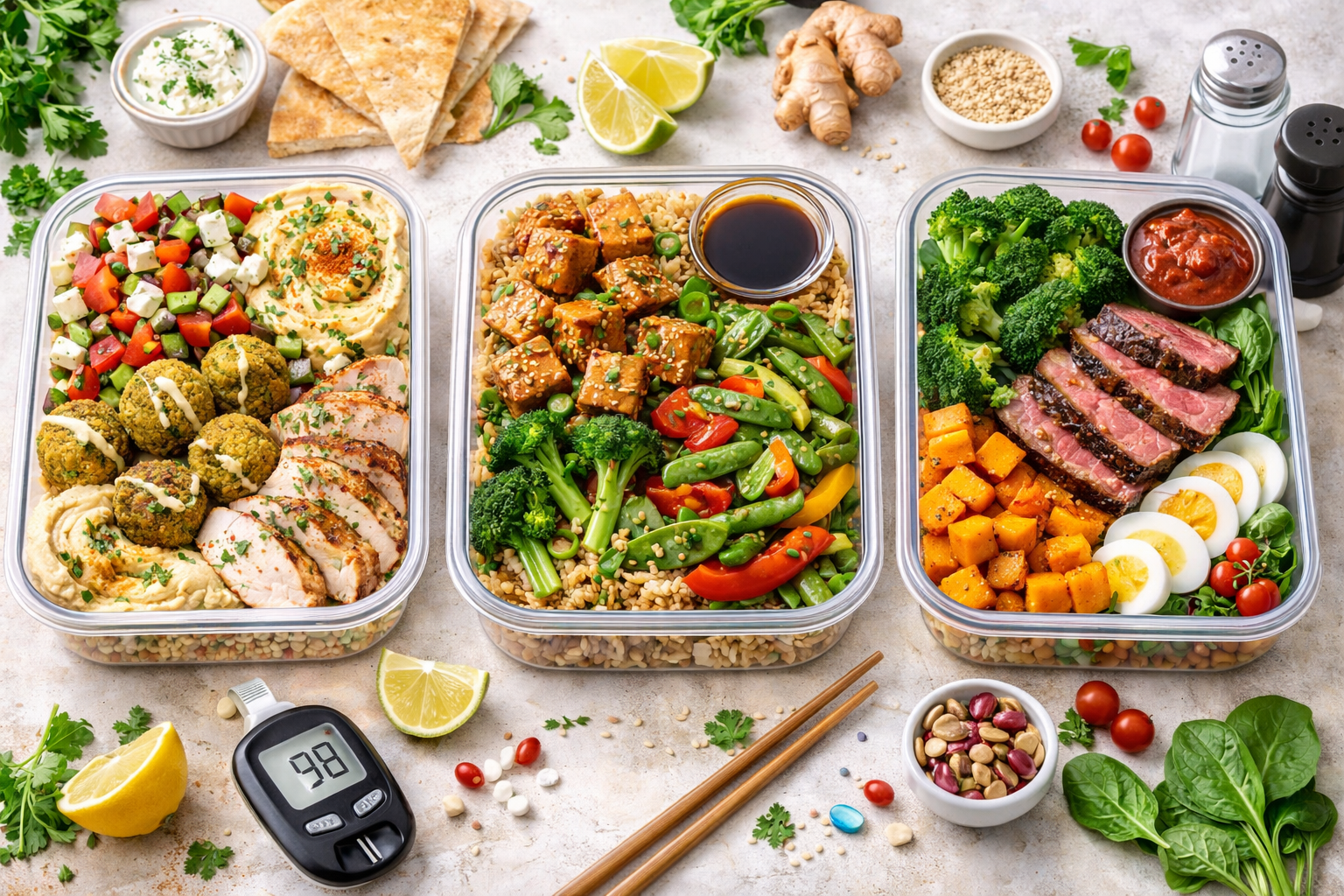
Why Personalized Meal Planning Matters for Individual Needs
Why Personalized Meal Planning Matters for Individual Needs
Personalized meal planning that adapts to your body, lifestyle, culture, and goals—because nutrition is never one-size-fits-all.

Why Personalization Is Essential
No two bodies work the same way. Age, activity level, health conditions, work schedules, cultural background, and personal preferences all influence how food affects energy, digestion, and overall well-being. Personalized meal planning exists to respect those differences instead of forcing everyone into the same eating pattern.
Personalized meal planning recognizes that nutrition should support real life—not fight against it. When meals are tailored to individual needs, people are more likely to feel energized, supported, and consistent over time.
Personalized meal planning helps address:
- Different bodies, different needs: Nutrient requirements vary widely
- Chronic condition support: Blood sugar, blood pressure, and cholesterol benefit from tailored structure
- Lifestyle alignment: Athletes, office workers, caregivers, and shift workers need different fueling strategies
- Cultural and taste preferences: Familiar foods increase sustainability
- Allergies and intolerances: Avoiding triggers improves comfort and safety


What Personalized Meal Planning Really Means
Personalized meal planning is not about perfection or rigid rules. It’s about intention.
At its core, personalized meal planning focuses on:
- Adjusting portion sizes to energy needs
- Selecting foods that fit personal preferences and traditions
- Balancing macronutrients based on activity and goals
- Accounting for allergies, intolerances, or sensitivities
- Creating flexibility without losing structure
This approach makes personalized meal planning realistic, adaptable, and sustainable.
Who Benefits Most From Personalized Meal Planning
While everyone can benefit, personalized meal planning is especially helpful for:
- Busy professionals seeking focus and steady energy
- People managing health conditions or dietary restrictions
- Active individuals balancing performance and recovery
- Families with mixed food preferences
- Anyone who has struggled with “one-size-fits-all” plans
Personalized meal planning meets people where they are—without judgment.
Example Weekly Meal Plan
Personalized for a Busy Professional Seeking Energy & Focus
This example shows how personalized meal planning can blend energy support, cultural variety, and flexibility.
Day 1
Breakfast – Greek yogurt parfait with granola & berries
Lunch – Grilled chicken bowl with hummus & tabbouleh
Dinner – Baked tilapia with garlic sautéed spinach & brown rice
Snacks – Dark chocolate + almonds
Personalization Focus – Mediterranean flavors + protein
Day 2
Breakfast – Vegetable frittata with spinach & bell peppers
Lunch – Fresh spring rolls with tofu & herbs
Dinner – Beef & vegetable stew with red rice
Snacks – Papaya slices
Personalization Focus – Comfort food + micronutrients
Day 3
Breakfast – Overnight oats with chia, mango & coconut milk
Lunch – Buddha bowl (quinoa, chickpeas, roasted pumpkin, tahini)
Dinner – Teriyaki salmon with soba noodles & bok choy
Snacks – Edamame
Personalization Focus – Asian-inspired + omega-3s
Day 4
Breakfast – Whole-grain bread with peanut butter & banana
Lunch – Chicken soup with leafy greens & root vegetables
Dinner – Lentil curry with basmati rice
Snacks – Trail mix
Personalization Focus – Balanced carbs + plant protein
Day 5
Breakfast – Smoothie (pineapple, kale, protein powder, flaxseed)
Lunch – Grilled turkey sandwich with avocado & tomato
Dinner – Eggplant lasagna (vegetarian)
Snacks – Kiwi
Personalization Focus – Antioxidants + satiety
Day 6
Breakfast – Rice porridge with boiled egg & scallions
Lunch – Poke bowl with tofu, seaweed, cucumber & brown rice
Dinner – Roast chicken with roasted root vegetables
Snacks – Stewed prunes
Personalization Focus – Gut health + balance
Day 7
Breakfast – Cottage cheese with peaches & sunflower seeds
Lunch – Mediterranean lentil soup with whole-grain pita
Dinner – Shrimp stir-fry with garlic, snow peas & red rice
Snacks – Banana + pistachios
Personalization Focus – Lean protein + recovery
Why This Personalized Approach Works
Personalized meal planning succeeds because it adapts instead of restricts.
This plan works by emphasizing:
- Variety: Mediterranean, Asian, and Western-inspired meals
- Protein distribution: Balanced intake across the day
- Micronutrient diversity: Greens, fruits, nuts, seeds, and vegetables
- Flexibility: Meals can be swapped based on schedule or preference
Personalized meal planning allows structure without rigidity.
Making Personalized Meal Planning Sustainable
To keep personalized meal planning working long term:
- Start with foods you already enjoy
- Adjust one or two meals at a time
- Revisit plans as routines or health needs change
- Keep meals simple enough for busy days
- Focus on consistency—not perfection
Personalized meal planning evolves with you.
Disclaimer
This content is for educational purposes only and does not provide medical advice. Individuals with medical conditions, allergies, or specific performance goals should consult a qualified healthcare professional or registered dietitian for personalized guidance.
to receive weekly meal inspirations, kitchen hacks, and buying guides for healthy living
Practical Takeaway
Personalized meal planning matters because bodies, lifestyles, and cultures are different. By tailoring meals to individual needs, preferences, and routines, personalized meal planning makes healthy eating more effective, realistic, and sustainable. When nutrition fits your life, it’s far easier to maintain—week after week.