Meal Prep Containers: What to Look for Before You Buy
Meal Prep Containers: What to Look for Before You Buy
Choose meal prep containers that keep your food fresh, your portions organized, and your weekly meal prep routine on track.
What to Look for in Meal Prep Containers and Storage
Meal prep often breaks down after the cooking is done. Meals are prepared, but leftovers are forgotten. Portions are inconsistent. Food gets pushed to the back of the fridge and wasted. In many cases, the problem isn’t the plan—it’s the storage.
Choosing the right meal prep containers is one of the most important (and overlooked) parts of successful weekly meal planning. The right containers don’t just hold food; they support routines, reduce waste, and make planned meals easier to follow through on.
This guide will help you understand what actually matters when buying food storage for meal prep, so you can invest in containers that support your routine—not fight it.
Why Meal Prep Containers Matter More Than You Think
Meal prep doesn’t end when food is cooked. Storage determines:
- Whether meals are eaten or forgotten
- How long food stays fresh
- How easy it is to reheat and serve
- Whether portions stay consistent
The right meal prep containers turn leftovers into planned meals instead of afterthoughts. They make your weekly plan visible, accessible, and usable.
The Biggest Storage Mistake Most People Make
Consistency depends on ease. When storage works, meal prep feels lighter.
The right meal prep containers:
- Keep meals visible
- Make reheating simple
- Reduce decision fatigue
- Encourage follow-through
Storage isn’t just about holding food—it’s about supporting habits.
Start With How You Actually Use Containers
Before buying anything, consider how you’ll use your containers week after week.
Ask yourself:
- Do I prep full meals or individual components?
- Do I eat meals at home, at work, or on the go?
- Do I reheat food often?
- How much fridge and cabinet space do I have?
The best meal prep containers match your habits—not an idealized version of them.
Material Matters: Choosing the Right Container Type
One of the first decisions is material. Each option has strengths and trade-offs.
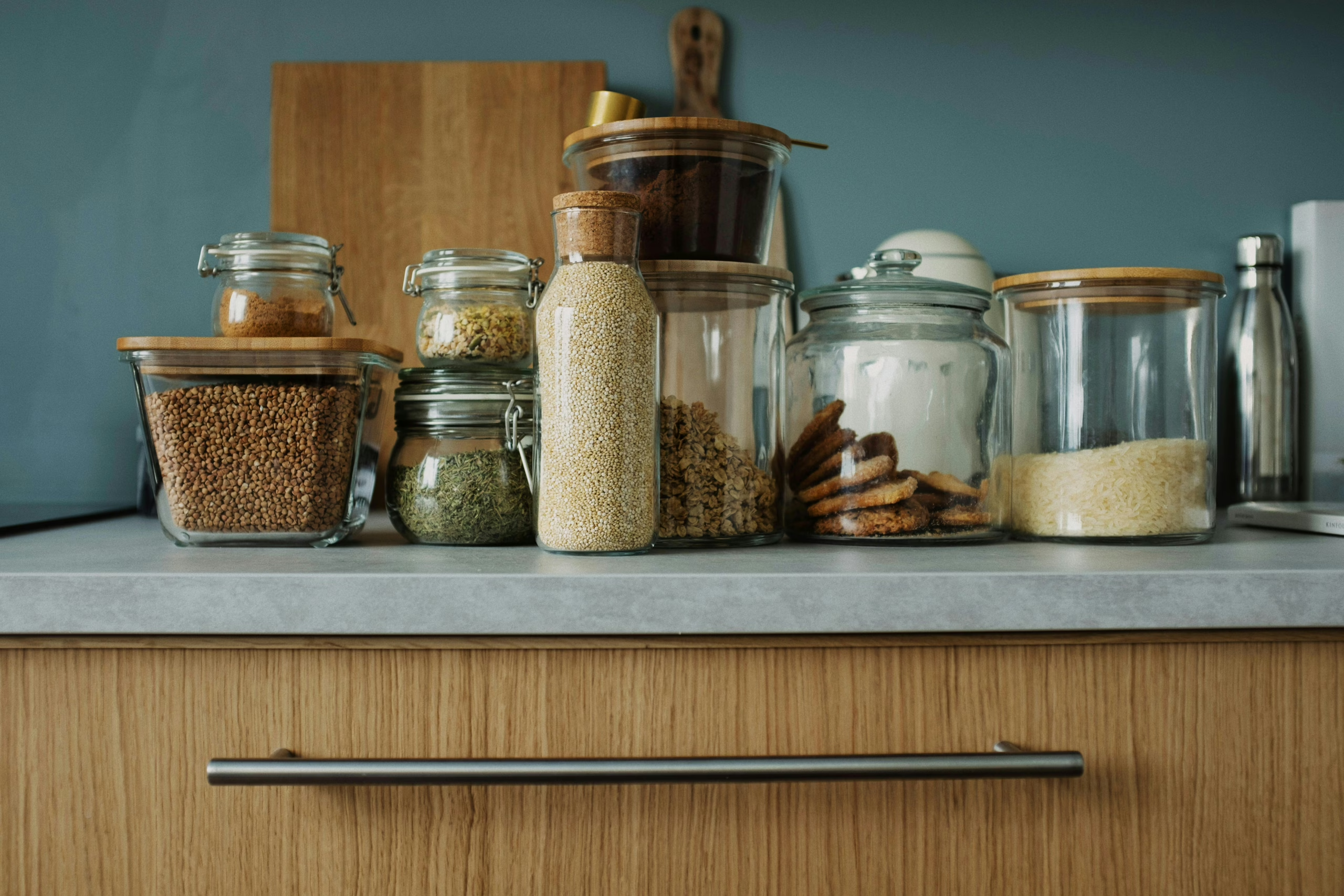
Glass Containers
Often preferred for durability and reheating.
Pros:
- Doesn’t absorb odors or stains
- Oven- and microwave-safe (without lids)
- Long-lasting
Considerations:
- Heavier
- Takes up more space
Glass meal prep containers are ideal for home-based meal prep and long-term use.
Plastic Containers
Lightweight and convenient.
Pros:
- Easy to carry
- Affordable
- Stackable
Considerations:
- May stain or retain odors
- Shorter lifespan
Plastic food storage for meal prep works well for packed lunches and travel-friendly meals.
Stainless Steel Containers
Durable and lightweight.
Pros:
- Long-lasting
- No staining or odor retention
- Lightweight
Considerations:
- Not microwave-safe
- Often higher upfront cost
Best for cold meals or storage without reheating.
Size and Portion Control: A Critical Buying Factor
Container size influences how well a meal plan works.
Choosing the right sizes helps:
- Prevent overeating or under-eating
- Keep meals balanced
- Reduce food waste
Look for meal prep containers that include:
- Single-serve meal sizes
- Medium containers for components
- Larger containers for batch-cooked foods
A variety of sizes supports flexibility across the week.
Lid Quality: The Detail That Makes or Breaks a Set
Poor lids are one of the most common reasons people stop using containers.
Good lids should:
- Seal securely
- Be easy to open and close
- Hold up to frequent washing
- Stack well with containers
Leak-proof lids are especially important for food storage for meal prep that includes sauces, soups, or meals eaten outside the home.
Stackability and Storage Space
Meal prep only works if storage is manageable.
Look for meal prep containers that:
- Stack neatly in the fridge
- Nest when empty
- Fit standard shelves and drawers
Containers that don’t store well often end up unused, no matter how good they are otherwise.
Ease of Cleaning: A Non-Negotiable Factor
Containers that are difficult to clean quickly become frustrating.
When choosing food storage for meal prep, prioritize:
- Dishwasher-safe materials
- Minimal grooves and seams
- Lids that don’t trap food
Containers that clean easily are used more often—which supports consistency.
Matching Containers to Your Meal Prep Style
Not all meal prep looks the same. Your storage should reflect your style.
For Batch Cooking
- Larger containers for shared dishes
- Clear containers for visibility
For Individual Portions
- Single-meal containers
- Portion-specific sizes
For Mixed Meals
- Divided containers
- Modular sets
The right meal prep containers make your specific approach easier to maintain.
Avoiding Overbuying (and Underbuying)
Buying too many containers creates clutter. Buying too few creates stress.
A smart approach:
- Start with a core set
- Add pieces based on real use
- Avoid novelty shapes and sizes
Quality food storage for meal prep grows with your routine—not all at once.
How Storage Supports Habit Formation
Consistency depends on ease. When storage works, meal prep feels lighter.
The right meal prep containers:
- Keep meals visible
- Make reheating simple
- Reduce decision fatigue
- Encourage follow-through
Storage isn’t just about holding food—it’s about supporting habits.
Make Storage Work for Your Weekly Plan
The best meal plan fails if storage gets in the way. The right meal prep containers remove friction, reduce waste, and make planned meals easier to eat.
When choosing food storage for meal prep, focus on how containers support your routine—not just how they look.
Explore our container reviews and comparisons to find storage solutions that make weekly meal planning easier, more consistent, and more sustainable.