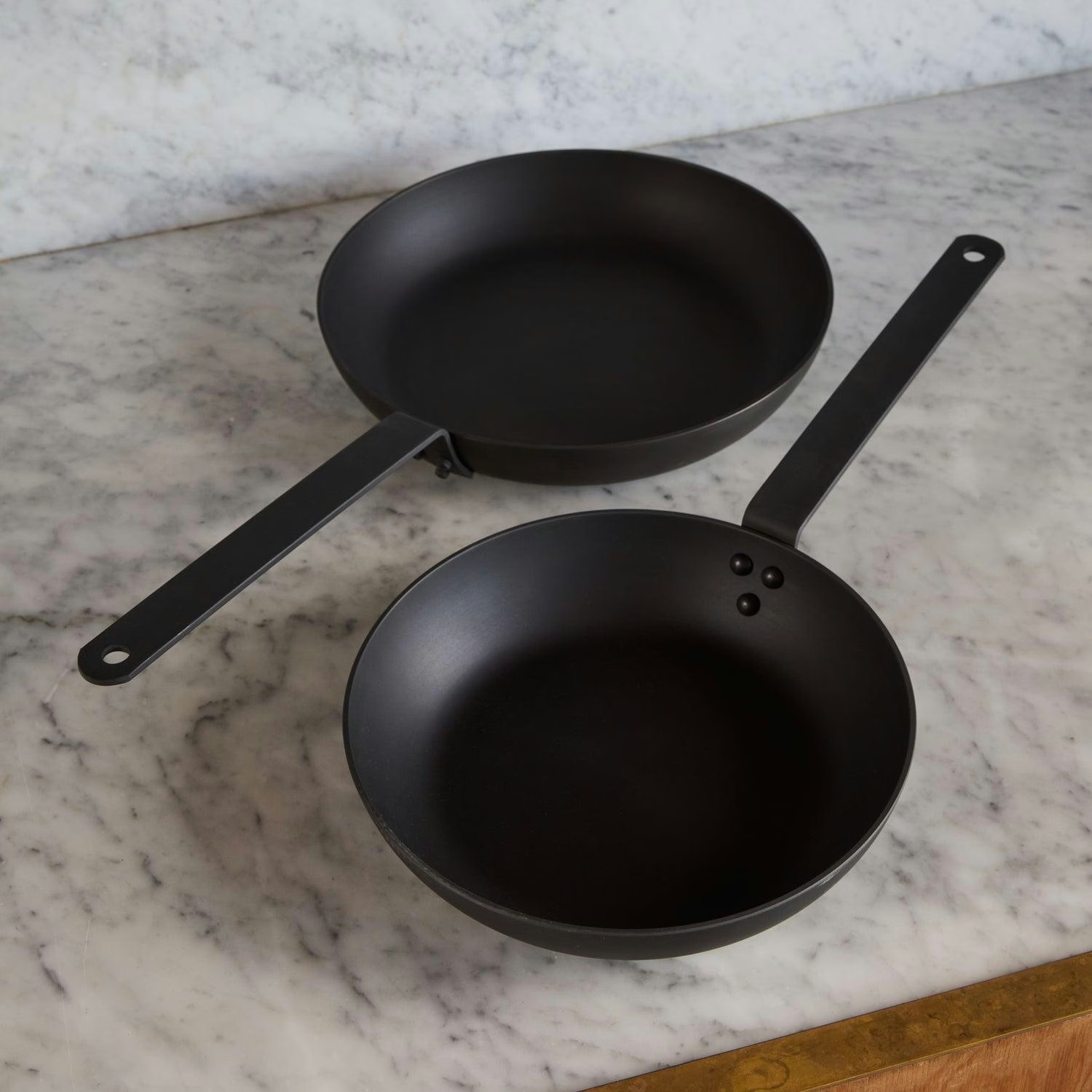
Carbon Steel Cookware Buying Guide for Weekly Meal Planning
Carbon Steel Cookware Buying Guide for Weekly Meal Planning
A practical carbon steel cookware buying guide to help you choose lightweight, durable cookware that excels at high-heat cooking, develops natural seasoning, and supports efficient weekly meal planning.
Carbon Steel Cookware Buying Guide for Weekly Meal Planning
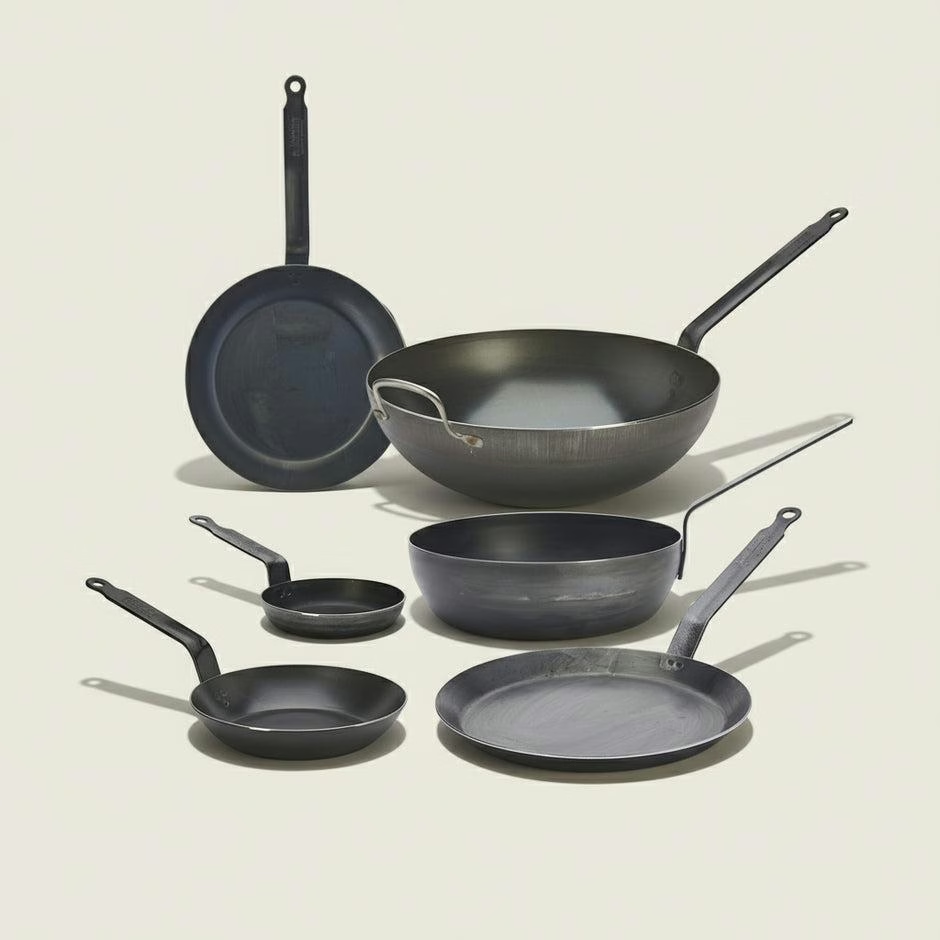
For home cooks who want cookware that combines excellent heat performance with lighter weight and long-term durability, carbon steel cookware has become an increasingly popular choice. Often used in professional kitchens, carbon steel offers many of the strengths of cast iron while providing quicker heat response and easier handling.
Unlike cookware with synthetic coatings, carbon steel cookware develops a naturally seasoned cooking surface through regular use. As seasoning improves over time, cooking performance becomes more consistent, allowing food to release more easily while protecting the cookware from moisture and rust.
This carbon steel cookware buying guide explains how carbon steel cookware works, its seasoning process, cooking performance, durability, maintenance requirements, and how it compares with cast iron and stainless steel for weekly meal planning.
How Carbon Steel Cookware Works
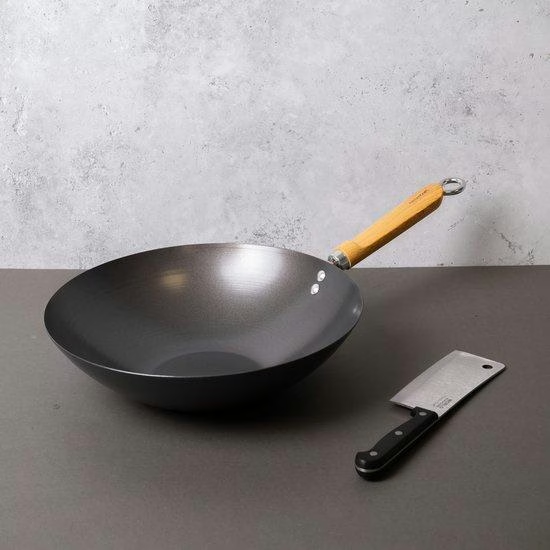
Carbon steel cookware is made from an alloy of iron and carbon that is pressed into shape rather than cast. This manufacturing process produces cookware that is thinner and lighter than traditional cast iron while remaining exceptionally strong.
Like cast iron, carbon steel requires seasoning before it reaches its full cooking potential. During seasoning, thin layers of oil bond to the cooking surface through heat, gradually forming a natural easy-release layer that improves with continued use.
Because carbon steel heats quickly and responds rapidly to temperature adjustments, it provides cooks with greater control over a variety of cooking techniques.
Its combination of strength, responsiveness, and natural seasoning makes carbon steel cookware well suited for both home kitchens and professional environments.
Why Carbon Steel Cookware Supports Weekly Meal Planning
Carbon steel cookware is particularly useful for households that prepare a wide variety of meals throughout the week.
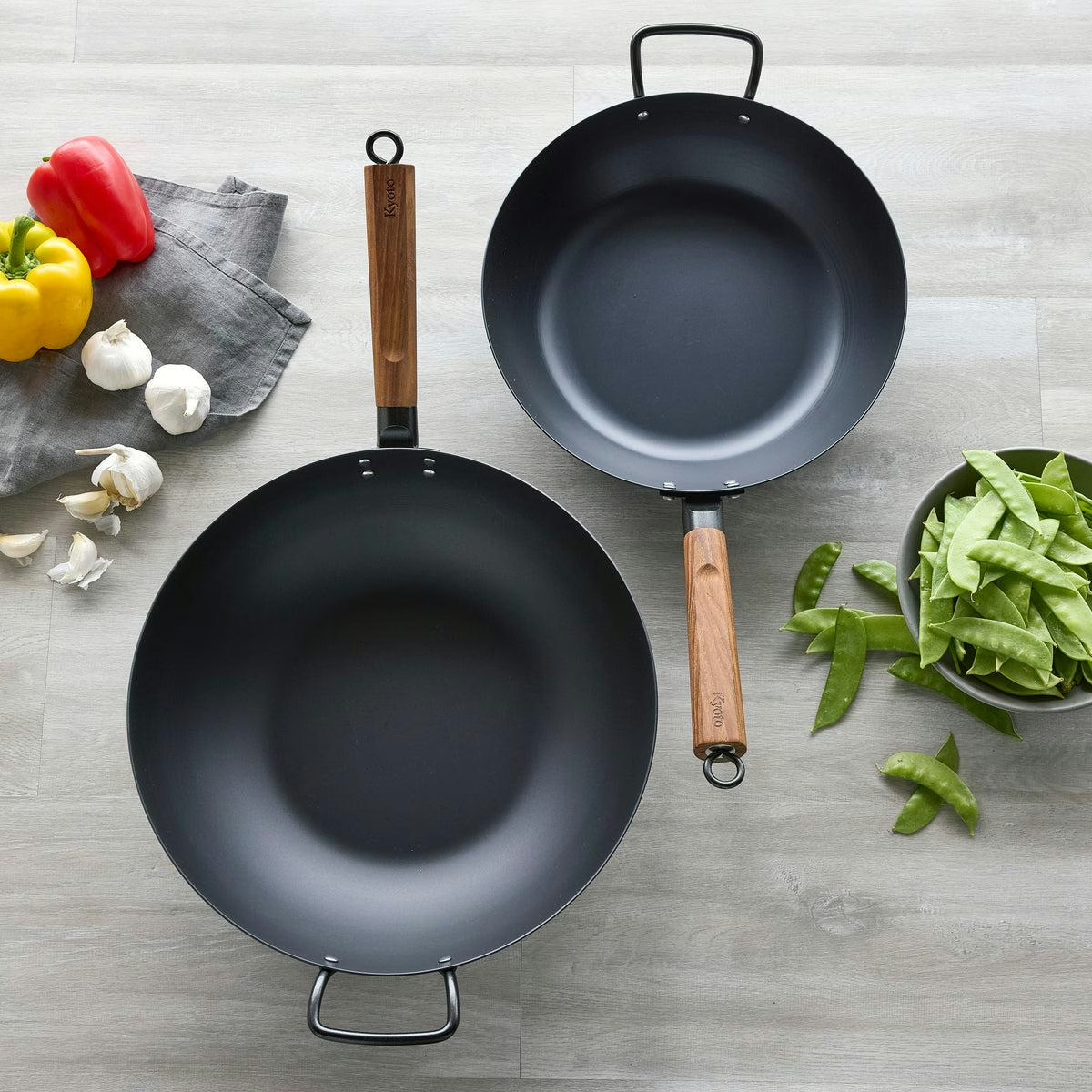
Whether cooking breakfast, stir-frying vegetables, searing proteins, or preparing one-pan dinners, carbon steel adapts easily to changing recipes while providing consistent cooking performance.
For weekly meal planning, carbon steel cookware works especially well for:
Searing chicken, beef, and seafood
Stir-frying vegetables
Preparing omelets
Cooking breakfast foods
Browning proteins before slow cooking
Reheating prepared meals
One-pan family dinners
Its lighter weight also makes it easier to handle during repeated cooking sessions, an advantage for busy households preparing several meals in succession.
Seasoning and Natural Cooking Performance
One of the defining characteristics of carbon steel cookware is its seasoning.
Like cast iron, carbon steel develops a protective layer through repeated applications of oil and heat. This seasoning gradually creates a smoother cooking surface while helping protect the cookware from corrosion.
A properly seasoned carbon steel pan offers several benefits:
Naturally Easy-Release Surface
As seasoning develops, foods release more easily during cooking.
Improved Flavor Development
Excellent browning helps build rich flavors in meats and vegetables.
Protection Against Rust
Seasoning forms a protective barrier that shields the metal from moisture.
Better Performance Over Time
Unlike some coated cookware, carbon steel continues improving as it is used and maintained.
With consistent care, seasoning becomes one of the cookware’s greatest strengths.
High-Heat Cooking Performance
One reason professional chefs often choose carbon steel cookware is its outstanding performance at high temperatures.
Quick Heat Response
Carbon steel heats rapidly and responds quickly when heat is increased or reduced, allowing greater control during cooking.
Excellent Searing
Its ability to tolerate high temperatures produces flavorful browning on meats and vegetables.
Ideal for Stir-Frying
Fast heating makes carbon steel especially suitable for stir-fries and quick sautéing.
Oven Safe
Many carbon steel pans transition easily from stovetop to oven, increasing their versatility for meal preparation.
For cooks who regularly prepare meals requiring precise heat control, carbon steel cookware offers exceptional performance.
Carbon Steel vs Cast Iron
Although carbon steel cookware and cast iron share many similarities, there are several important differences.
Weight
Carbon steel cookware is generally lighter and easier to maneuver than cast iron.
Heat Response
Carbon steel heats and cools more quickly, providing faster temperature adjustments during cooking.
Heat Retention
Cast iron retains heat longer, making it ideal for slow cooking and recipes requiring sustained temperatures.
Maintenance
Both materials require seasoning and similar maintenance practices to maintain their cooking surfaces.
Home cooks seeking lighter cookware often prefer carbon steel, while those prioritizing maximum heat retention may choose cast iron.
Carbon Steel vs Stainless Steel
Many buyers also compare carbon steel cookware with stainless steel cookware.
Cooking Surface
Carbon steel develops a seasoned cooking surface, while stainless steel remains uncoated and non-reactive.
Browning Performance
Both materials produce excellent browning, although carbon steel often provides a naturally easier food release after seasoning.
Maintenance
Stainless steel requires less routine maintenance because it does not need seasoning.
Heat Control
Carbon steel responds more quickly to temperature changes, making it popular for high-heat cooking techniques.
Choosing between the two often depends on cooking style and willingness to maintain seasoned cookware.
Advantages of Carbon Steel Cookware
Carbon steel cookware offers numerous advantages for home kitchens.
Lightweight Construction
Easier to lift and maneuver than cast iron.
Exceptional Durability
With proper care, carbon steel cookware can provide decades of dependable use.
Naturally Improves Over Time
Regular seasoning enhances cooking performance.
Excellent High-Heat Capability
Ideal for searing, stir-frying, and sautéing.
Versatile Cooking
Suitable for stovetop cooking, oven cooking, and many outdoor cooking applications.
Maintenance and Care
Proper maintenance helps extend the lifespan of carbon steel cookware.
To keep cookware in excellent condition:
Wash promptly after cooking.
Dry thoroughly to prevent moisture buildup.
Apply a thin layer of oil before storing.
Re-season when necessary.
Avoid prolonged soaking in water.
Routine maintenance keeps the seasoning healthy and helps preserve cooking performance.
Limitations to Consider
Although carbon steel cookware offers many advantages, there are a few considerations.
Requires Seasoning
Unlike stainless steel or ceramic cookware, carbon steel requires ongoing seasoning.
Can Rust
Improper drying or storage may allow rust to develop.
Not Ideal for Long Acidic Simmering
Extended cooking of highly acidic foods may affect the seasoning layer.
Learning Curve
Developing proper seasoning and cooking techniques requires a little practice.
Fortunately, many home cooks find that the performance benefits outweigh these maintenance requirements.
Who Should Buy Carbon Steel Cookware?
Carbon steel cookware is an excellent choice for:
Home cooks preparing meals several times a week
Meal preppers
Stir-fry enthusiasts
Professional-style home kitchens
Outdoor cooking enthusiasts
Anyone wanting lighter cookware with high-heat capability
Cooks willing to maintain seasoned cookware
Its versatility makes it suitable for both experienced cooks and motivated beginners.
Frequently Asked Questions
Yes. Properly maintained carbon steel cookware develops a naturally seasoned cooking surface without synthetic coatings and is widely used in both home and professional kitchens.
Yes. Seasoning improves cooking performance while protecting the cookware from moisture and rust.
Yes. Carbon steel cookware is typically thinner and noticeably lighter while still offering excellent durability.
Most carbon steel cookware is compatible with induction cooktops because it contains magnetic iron.
Final Thoughts
Carbon steel cookware offers an outstanding balance of durability, responsiveness, and cooking versatility, making it an excellent choice for households committed to healthy cooking and weekly meal planning. Its ability to develop natural seasoning, perform exceptionally well at high temperatures, and remain lightweight enough for everyday use has made it a favorite in both professional and home kitchens.
When choosing carbon steel cookware, consider how often you cook, the recipes you prepare most frequently, and whether you’re comfortable maintaining seasoned cookware. With proper care, carbon steel cookware can become one of the most dependable and versatile pieces in your kitchen, supporting efficient meal preparation and reliable cooking performance for many years.