Ceramic Cookware Buying Guide for Weekly Meal Planning
Ceramic Cookware Buying Guide for Weekly Meal Planning
A practical ceramic cookware buying guide to help you choose lightweight, easy-to-clean cookware that supports healthier cooking, low-oil meal preparation, and consistent weekly meal planning.
Ceramic Cookware Buying Guide for Weekly Meal Planning
Preparing healthy meals is often easier when cookware supports simple cooking techniques and convenient cleanup. For many home cooks, ceramic cookware offers an appealing balance of everyday performance, ease of use, and lower-oil cooking, making it a popular choice for preparing nutritious meals throughout the week.
Unlike traditional cookware that may require generous amounts of oil or butter to reduce sticking, ceramic cookware features a smooth ceramic-based cooking surface that allows many foods to release more easily when used correctly. This makes it especially attractive for preparing vegetables, eggs, seafood, and other everyday recipes that benefit from gentle cooking.
This ceramic cookware buying guide explains how ceramic cookware works, its naturally easy-release cooking surface, maintenance requirements, expected lifespan, ideal cooking applications, and the situations where it fits best into weekly meal planning.
How Ceramic Cookware Works
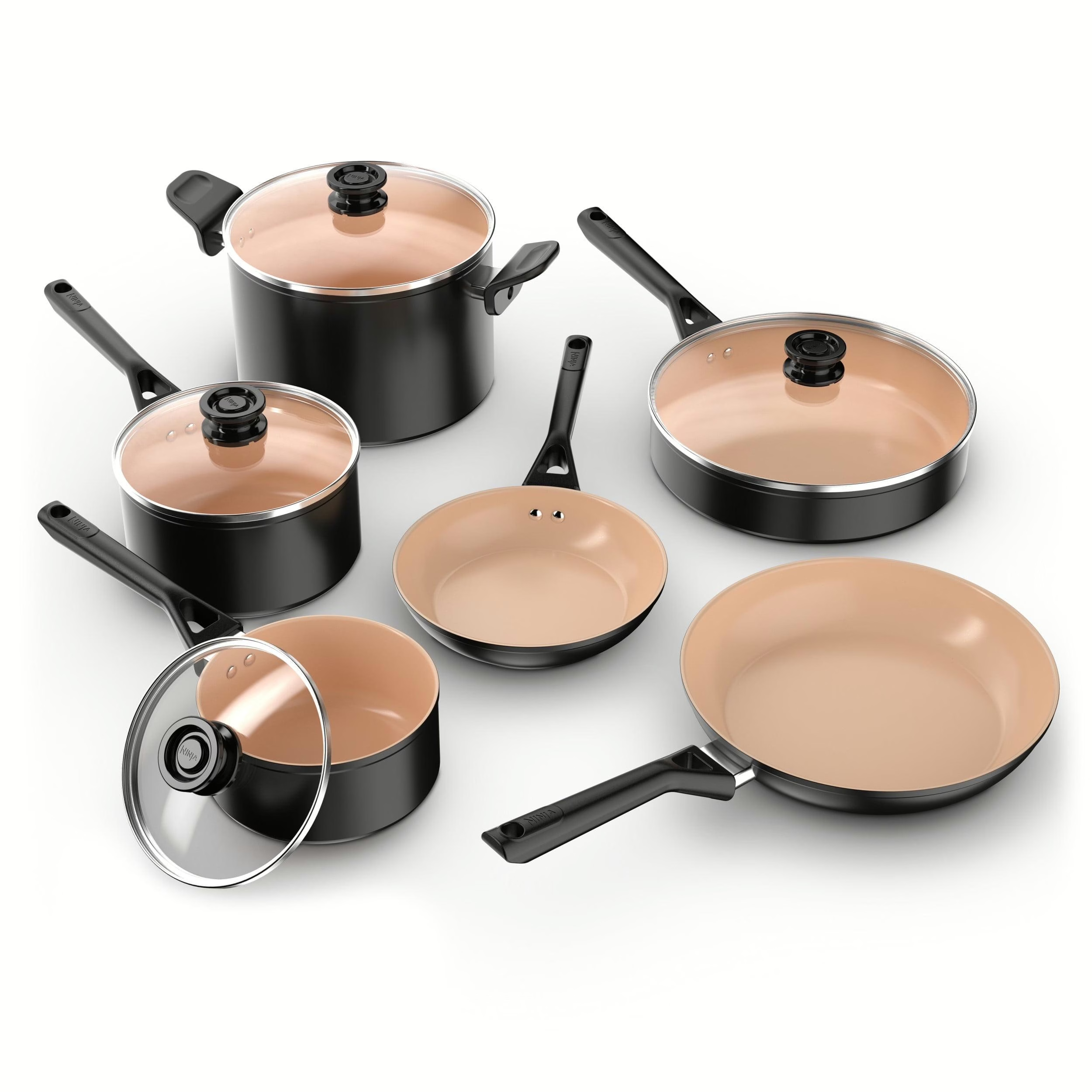
Ceramic cookware generally refers to cookware with a ceramic-based coating applied over a metal core, typically aluminum. The aluminum provides efficient heat transfer, while the ceramic coating creates a smooth cooking surface that reduces sticking when properly used.
Unlike seasoned cast iron or stainless steel, ceramic cookware does not require seasoning before use. Instead, its naturally smooth surface allows many foods to cook with minimal oil while simplifying cleanup.
Because ceramic coatings perform best at moderate cooking temperatures, they are especially well suited for everyday home cooking rather than prolonged high-heat searing.
Understanding how ceramic cookware is designed helps users achieve better cooking performance while extending the life of the cooking surface.
Why Ceramic Cookware Supports Weekly Meal Planning
Ceramic cookware fits naturally into weekly meal planning because it simplifies many of the recipes prepared on a regular basis.
Busy households often prepare vegetables, lean proteins, breakfast foods, and one-pan meals several times each week. Ceramic cookware makes these recipes easier to cook while reducing the effort required during cleanup.
For weekly meal planning, ceramic cookware performs particularly well for:
Cooking eggs
Sautéing vegetables
Preparing fish and seafood
Cooking pancakes
Reheating prepared meals
Making light sauces
Preparing one-pan lunches and dinners
Its smooth cooking surface encourages consistent cooking with less added fat, making meal preparation both efficient and enjoyable.
Naturally Easy-Release Cooking Surface
One of the primary reasons many households choose ceramic cookware is its naturally easy-release cooking surface.
Foods such as eggs, vegetables, delicate fish, and pancakes release more easily than they might in some other cookware materials when cooked over appropriate heat.
This offers several practical benefits:
Less Cooking Oil
Many recipes require less oil or butter to prevent sticking.
Easier Cleanup
Food residue is generally easier to remove, reducing scrubbing after meals.
Convenient Everyday Cooking
Ceramic cookware is especially useful for recipes prepared frequently during weekly meal planning.
While ceramic cookware provides an easy-release surface, proper cooking techniques and moderate heat remain important for maintaining long-term performance.
Ideal Cooking Applications
Although ceramic cookware is versatile, it performs best when matched with appropriate cooking methods.
Excellent applications include:
Breakfast Foods
Eggs, omelets, pancakes, and breakfast vegetables cook well with minimal sticking.
Vegetables
Ceramic cookware distributes heat efficiently for sautéed or lightly roasted vegetables.
Fish and Seafood
Delicate proteins benefit from the smooth cooking surface.
Low- to Medium-Heat Cooking
Daily meal preparation, gentle simmering, and light sautéing are ideal uses.
Everyday Family Meals
Ceramic cookware works well for preparing healthy weeknight dinners with minimal cleanup.
Matching the cookware to the appropriate cooking technique helps preserve the ceramic surface while producing reliable results.
Advantages of Ceramic Cookware
Ceramic cookware offers several advantages for home kitchens.
Easy to Clean
The smooth cooking surface helps reduce food buildup after cooking.
Supports Lower-Oil Cooking
Many recipes require only a small amount of cooking oil.
Efficient Heat Transfer
Aluminum-core construction allows cookware to heat quickly and evenly.
Lightweight Design
Ceramic cookware is generally lighter than cast iron, making it easier to handle.
Attractive Appearance
Many ceramic cookware collections are available in modern colors and contemporary designs that complement today’s kitchens.
Maintenance and Care
Proper maintenance helps extend the useful life of ceramic cookware.
To preserve the cooking surface:
Cook primarily over low to medium heat.
Avoid overheating empty cookware.
Use wooden, silicone, or nylon utensils.
Wash with non-abrasive sponges.
Allow cookware to cool before washing.
Follow the manufacturer’s care recommendations.
Although ceramic cookware requires less maintenance than seasoned cookware, careful handling helps maximize its long-term performance.
Lifespan of Ceramic Cookware
The lifespan of ceramic cookware depends largely on how it is used and maintained.
With proper care, high-quality ceramic cookware can provide years of reliable everyday cooking. However, like many coated cookware products, the cooking surface gradually experiences normal wear over time.
Using moderate heat, avoiding metal utensils, and following recommended cleaning practices can help extend its lifespan and maintain consistent cooking performance.
Replacing cookware only when the cooking surface shows significant wear helps ensure continued food quality and cooking efficiency.
Limitations to Consider
While ceramic cookware offers many practical advantages, there are several considerations before purchasing.
Not Ideal for High Heat
Very high cooking temperatures may reduce the lifespan of the ceramic coating.
Coating Wears Naturally
With regular use, the cooking surface gradually loses some of its easy-release performance.
Requires Gentle Care
Metal utensils and abrasive cleaning tools should generally be avoided.
Less Suitable for Heavy Searing
Stainless steel or cast iron often performs better for prolonged high-temperature cooking.
Understanding these limitations helps buyers select cookware that matches their cooking habits.
Who Should Buy Ceramic Cookware?
Ceramic cookware is an excellent choice for:
Home cooks preparing healthy meals
Individuals and families cooking every day
Beginners seeking easy-to-use cookware
Meal preppers preparing vegetables and light proteins
Households wanting convenient cleanup
Anyone looking for lightweight cookware with an easy-release cooking surface
It is particularly well suited for kitchens that emphasize balanced meals and regular home cooking.
Final Thoughts
Ceramic cookware has become a popular choice for households seeking convenient, everyday cookware that supports healthy meal preparation and easy cleanup. Its smooth cooking surface, lightweight construction, and efficient heat distribution make it particularly well suited for preparing vegetables, eggs, seafood, and other meals commonly included in weekly meal planning.
When selecting ceramic cookware, consider your cooking habits, preferred recipes, and willingness to follow proper care practices. Choosing cookware that matches your routine will help maximize its lifespan while providing dependable performance for healthy home cooking and consistent weekly meal preparation.