Stainless Steel Cookware Buying Guide for Weekly Meal Planning
Stainless Steel Cookware Buying Guide for Weekly Meal Planning
A practical stainless steel cookware buying guide to help you choose durable, versatile cookware that supports healthier cooking, efficient meal preparation, and consistent weekly meal planning.
Stainless Steel Cookware Buying Guide for Weekly Meal Planning
When building a cookware collection, many home cooks look for pieces that are durable, versatile, and capable of handling a wide variety of recipes. While many cookware materials are available, stainless steel cookware has earned a reputation as one of the most dependable choices for everyday cooking.
Unlike coated cookware, stainless steel cookware is valued for its durability, non-reactive cooking surface, and ability to perform well across many cooking techniques. From sautéing vegetables and browning proteins to simmering soups and preparing one-pan meals, it adapts easily to the demands of weekly meal planning.
This stainless steel cookware buying guide explains how stainless steel cookware works, its advantages and limitations, cooking performance, maintenance requirements, durability, and the types of home cooks who benefit most from using it.
How Stainless Steel Cookware Works
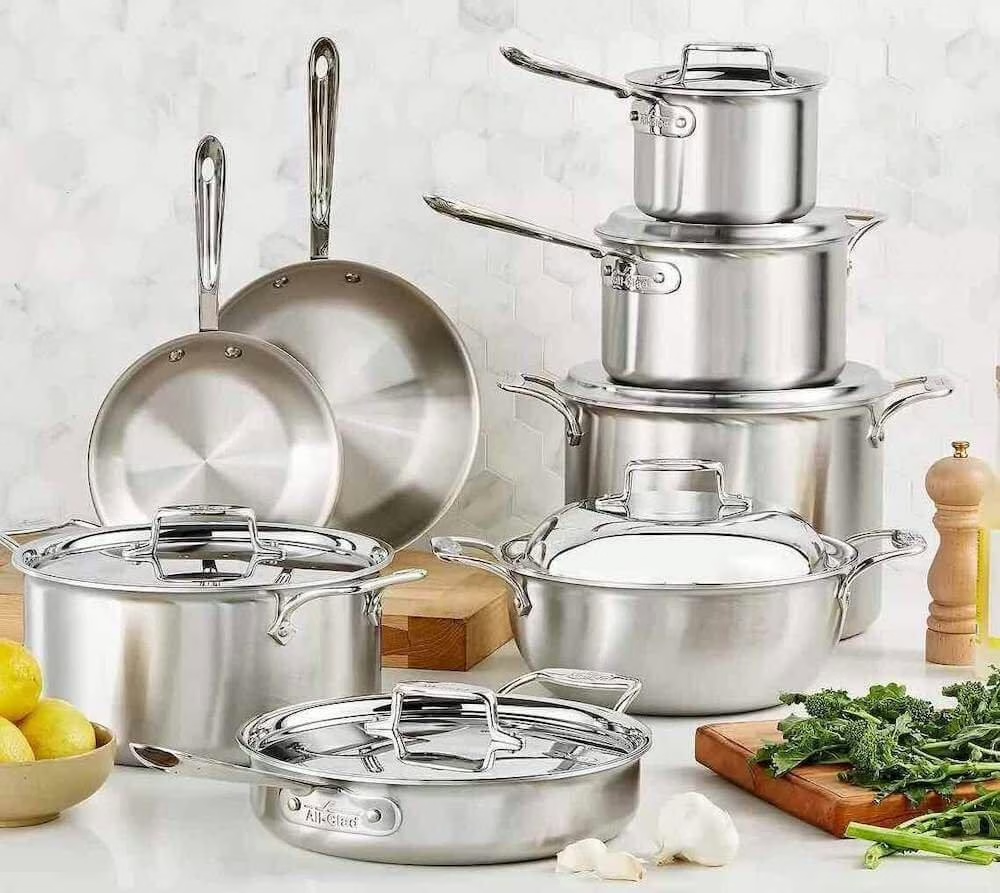
Stainless steel cookware is made from a corrosion-resistant alloy containing steel, chromium, and often nickel. Many high-quality pieces also include an aluminum or copper core sandwiched between layers of stainless steel. This multi-layer construction, commonly referred to as clad cookware, improves heat distribution while maintaining the strength and durability of stainless steel.
Unlike nonstick cookware, stainless steel does not rely on a coated cooking surface. Instead, it performs best when preheated properly and used with a small amount of cooking oil or fat to help minimize sticking.
Because stainless steel is non-reactive, it does not absorb flavors or react with acidic ingredients such as tomatoes, citrus, or vinegar. This makes it suitable for preparing a wide variety of recipes without affecting food quality or taste.
Why Stainless Steel Cookware Supports Weekly Meal Planning
Stainless steel cookware is particularly well suited for meal planning because it performs consistently across different recipes and cooking methods.
Many households preparing meals for the week need cookware capable of handling proteins, vegetables, grains, sauces, and soups without requiring multiple specialized pans.
For weekly meal planning, stainless steel cookware is ideal for:
Browning chicken, beef, and seafood
Sautéing vegetables
Cooking rice and grains
Preparing soups and stews
Making sauces
Batch cooking family meals
Reheating prepared ingredients
Its versatility allows home cooks to prepare several recipes using the same cookware, reducing clutter while simplifying meal preparation.
Cooking Performance
One reason stainless steel cookware remains a favorite among professional chefs and experienced home cooks is its balanced cooking performance.
Excellent Browning
Stainless steel develops flavorful browning on meats and vegetables, creating rich flavors that are difficult to achieve with some nonstick cookware.
Even Heat Distribution
High-quality multi-ply stainless steel cookware distributes heat evenly, reducing hot spots and promoting consistent cooking results.
Versatile Cooking Methods
Stainless steel cookware performs well for sautéing, searing, simmering, boiling, and oven cooking, making it suitable for a wide variety of meal prep recipes.
Compatible with Most Cooktops
Many stainless steel cookware collections are compatible with gas, electric, ceramic, and induction cooktops, increasing their versatility.
Advantages of Stainless Steel Cookware
Stainless steel cookware offers several advantages that make it one of the most practical investments for long-term cooking.
Durable Construction
High-quality stainless steel cookware can last for decades with proper care.
Non-Reactive Surface
Acidic ingredients such as tomatoes, lemon juice, and wine can be cooked safely without altering flavor or damaging the cookware.
Oven Safe
Many stainless steel pans and pots are oven safe, allowing recipes to move easily from stovetop to oven.
Easy to Maintain
Unlike cast iron, stainless steel cookware does not require seasoning and resists rust and corrosion.
Long-Term Value
Although premium stainless steel cookware may cost more initially, its durability often makes it a cost-effective investment over many years of use.
Limitations to Consider
While stainless steel cookware offers many benefits, it also has a few characteristics that new users should understand.
Food May Stick
Without proper preheating or sufficient cooking oil, foods such as eggs or fish may stick to the cooking surface.
Learning Curve
Cooking with stainless steel often requires adjusting heat levels and preheating techniques to achieve the best results.
Premium Models Can Be Expensive
Multi-ply stainless steel cookware generally costs more than basic aluminum or entry-level nonstick cookware.
Maintenance and Care
Proper maintenance helps stainless steel cookware maintain its appearance and performance for many years.
To extend its lifespan:
Wash cookware after each use.
Avoid abrasive steel wool unless necessary for stubborn residue.
Use cookware cleaners designed for stainless steel if discoloration occurs.
Preheat pans before adding oil.
Allow cookware to cool before washing to reduce thermal shock.
With routine care, stainless steel cookware often remains in excellent condition for decades.
Who Should Buy Stainless Steel Cookware?
Stainless steel cookware is an excellent choice for:
Home cooks preparing meals every week
Families cooking a variety of recipes
Meal preppers
Beginner cooks seeking durable cookware
Experienced cooks wanting versatile performance
Anyone looking for long-lasting cookware with minimal maintenance
Its combination of durability, versatility, and reliable performance makes it one of the best all-around cookware materials for everyday kitchens.
Frequently Asked Questions
Yes. High-quality stainless steel cookware has a non-reactive cooking surface that does not require a nonstick coating, making it a popular choice for everyday cooking.
Food typically sticks when the cookware is not preheated properly or when insufficient cooking oil is used.
Many stainless steel cookware collections are oven safe, although maximum temperatures vary by manufacturer. Always check the manufacturer's recommendations.
Many modern stainless steel cookware sets are induction compatible if they contain a magnetic base.
Final Thoughts
Stainless steel cookware remains one of the most reliable choices for households committed to healthy cooking and weekly meal planning. Its durability, versatility, and consistent cooking performance make it suitable for preparing everything from simple weeknight dinners to large batch-cooked meals.
Rather than choosing cookware based solely on appearance or price, consider how stainless steel cookware fits into your everyday cooking routine. With proper care and thoughtful use, it can provide decades of dependable performance while supporting healthier meal preparation, efficient cooking, and long-term value in the kitchen.